Non-Invasive Leak Detection
Non-invasive detection is the core principle behind every Smyrna leak call we take. Find the leak before we touch the wall. Every time.
Call (770) 214-4545 | 24/7Licensed in Georgia | Cobb County | (770) 214-4545
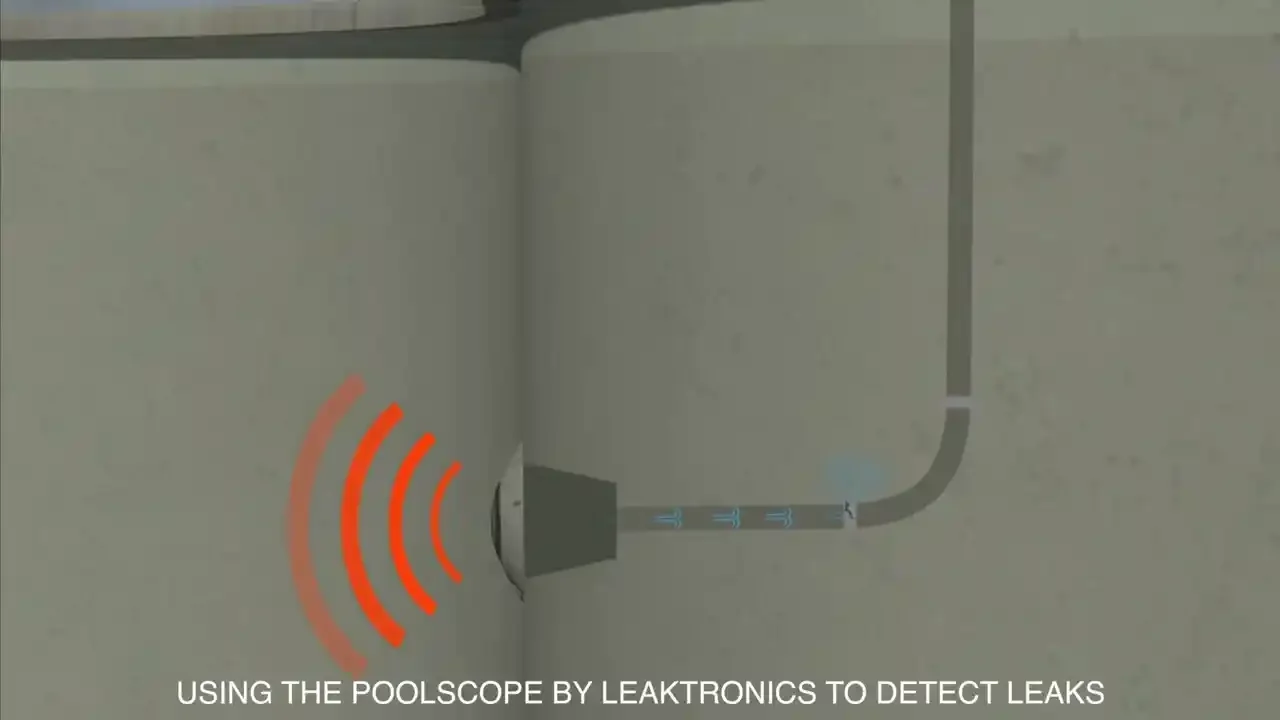
Non-invasive leak detection is the practice of locating a pipe leak to a confirmed position using methods that do not require opening walls, cutting concrete, or excavating soil before the leak location is known. In Smyrna and across our network, non-invasive detection is not a premium add-on service but the standard approach on every residential and commercial leak investigation. The alternative, opening walls and floors speculatively to look for the leak, is a practice we have designed every part of our detection workflow to avoid. The phrase 'find the leak before we touch the wall' is the operational principle, not a marketing phrase.
How Non-Invasive Works
Non-invasive leak detection in Smyrna uses a combination of pressure decay testing, acoustic scanning, thermal imaging, electronic correlation, and tracer gas methods, applied in a sequence that progressively narrows the leak location without requiring any physical surface disruption. Pressure testing identifies which system and which branch contains the leak. Scanning methods locate the breach along the confirmed run. The result is a surface position marked with sufficient confidence to open a single, targeted access point rather than a series of exploratory openings.
The non-invasive approach works because pressurized leaks produce observable physical signatures beyond the water damage they cause: acoustic sound transmitted through pipe walls and surrounding materials, temperature differences at surfaces from the escaping water, and, when tracer gas is introduced, a gas concentration peak at the surface above the breach. These signatures are detectable without surface disruption when the right equipment is used correctly.
How We Apply This in Smyrna and Cobb County
Smyrna's finished basement homes make non-invasive detection particularly valuable. In a Smyrna home where the first-floor bathroom sits above a finished media room or bedroom in the basement, opening the finished basement ceiling speculatively to find a bathroom drain leak is a significant disruption and expense. Thermal imaging of the bathroom floor and the ceiling below, combined with targeted flood testing of the specific fixture suspected, identifies the leak source and its position in the floor structure without touching the basement ceiling. The ceiling is opened at one confirmed point for the repair, not torn open across a speculative zone.
The same principle applies to Smyrna's mid-century copper supply systems. A pinhole leak in a wall cavity in a Walker Park or Highland Park home is found with pressure decay testing and thermal imaging before any drywall is removed. The repair access is one opening, at the confirmed breach point.
Non-invasive detection describes the overall approach and combines all of the specific method pages: acoustic, thermal imaging, electronic, ultrasonic, and tracer gas. Each method contributes a different type of information to the location process. Non-invasive detection is not a single tool but the discipline of using these tools in the right sequence to reach a confirmed location before any physical access is created.
Need non-invasive for a leak in your Smyrna home? Call for same-day service.
Call (770) 214-4545When We Use This Method in Smyrna
Every residential and commercial leak investigation we conduct in Smyrna and Cobb County begins with non-invasive detection. We do not start by opening walls or cutting concrete when we have not yet located the leak with non-invasive methods. The only exception is when a homeowner has an active flooding situation that requires immediate shutoff and damage control before investigation, in which case the shutoff is the priority and the investigation follows once the emergency water discharge is stopped.
Frequently Asked Questions
It means that when you call us for a leak investigation, we bring acoustic equipment, a thermal camera, and pressure testing tools, and we locate the leak to a confirmed position before we recommend opening any surface. The drill, the concrete saw, and the drywall knife come out only after we know exactly where the leak is. Most Smyrna homeowners are surprised at how small the access area ends up being.
Accuracy depends on the specific method combination used and the site conditions. For slab leaks with a strong acoustic signal, combined acoustic and thermal confirmation typically locates the breach to within 6 to 12 inches. For underground service line leaks in clay soil with acoustic plus tracer gas confirmation, accuracy is typically within 12 to 18 inches. This is sufficient to excavate or cut at a single confirmed point rather than across a speculative zone.
In the vast majority of cases, yes. For very slow leaks below the sensitivity threshold of all non-invasive methods, it may be necessary to allow a small amount of additional water to accumulate before the signal is detectable, or to use a higher-sensitivity method such as tracer gas. In rare cases involving inaccessible pipe configurations, a small exploratory access may be needed to create a position for sensor contact. We are transparent about this and discuss options before recommending any access.
Acoustic and thermal equipment, and the training to use it effectively, represents a significant investment. Some plumbers work without this equipment and compensate by opening surfaces speculatively based on symptom location. The problem with that approach is that symptoms are often displaced from the source in Smyrna's multi-story and basement homes. Non-invasive detection costs more in equipment and training but saves the homeowner the disruption and repair cost of speculative access that misses the leak.
Questions about a leak in your Smyrna home? Call anytime.
Call (770) 214-4545