
Basement Leak Detection & Repair
Smyrna sits on Georgia Piedmont red clay that holds 52 inches of annual rain against your basement walls. We find and fix the source before the mold starts.
Call (770) 214-4545 | 24/7Licensed in Georgia | Cobb County | (770) 214-4545
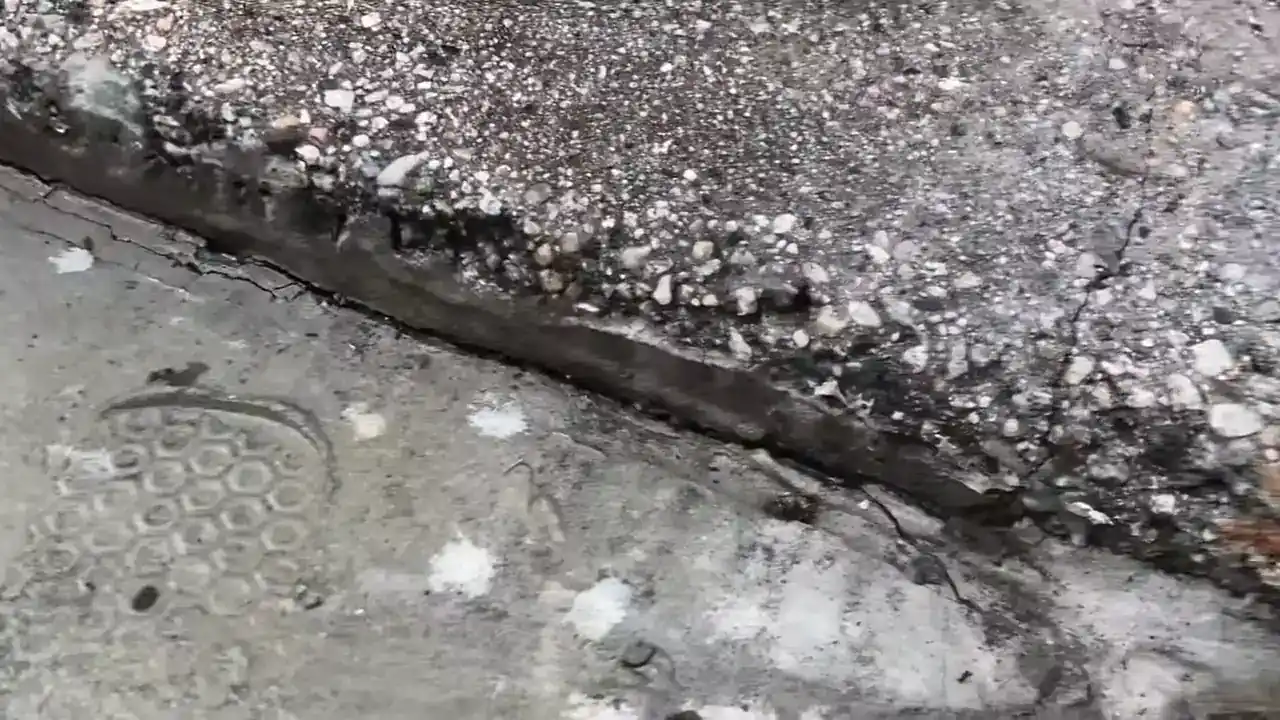
Basement leaks in Smyrna and Cobb County are not the same problem as basement leaks in a flat, clay-poor market. The Georgia Piedmont terrain around the City of Smyrna produces sloping lots where daylight basements and walk-out basements are the norm rather than the exception. That means the below-grade wall on the uphill side of a typical Vinings Smyrna or Wynfield home sits against a bank of red Piedmont clay that stays saturated through much of the year. Georgia sees around 52 inches of annual precipitation, concentrated in spring thunderstorms and occasional Gulf tropical remnants. The clay holds that water against the foundation wall rather than draining it away, and the resulting hydrostatic pressure looks for any crack, cold joint, or plumbing penetration it can find.
This is why basement leak detection is the second-most-promoted service on our Smyrna site. Slab-only markets in Texas and California never deal with this vector. Georgia homes do. If you are also dealing with water around a failing sump system, the sump pump leak detection page covers that specific failure mode in detail.
Types of Basement Leaks We See in Smyrna
Not all basement water comes from the same source. Identifying the category matters because each has a different repair path:
- Hydrostatic wall seepage: Water pressing through porous concrete block or poured-concrete walls, appearing as wet streaks, efflorescence, or moisture wicking up from the floor-wall joint. Common in the 1960s-to-1980s concrete-block basement construction in Walker Park Smyrna and Highland Park Smyrna.
- Foundation wall cracks: Shrinkage or settlement cracks in poured concrete walls that allow direct water entry. The Piedmont red clay's moderate shrink-swell cycle stresses foundation walls over decades.
- Plumbing penetration leaks: Supply lines, drain lines, and sump discharge pipes pass through the foundation wall. The sleeve seal degrades over time, especially in pre-1990 construction, and becomes a water entry point that looks like a foundation leak but originates in the plumbing.
- Floor-wall joint: The joint between the basement floor slab and the foundation wall is a common low-pressure bypass point. Water entering here is often confused with a slab leak but originates from exterior hydrostatic pressure.
- Window well overflow: Egress and casement windows in walk-out or daylight basements collect debris and overflow during heavy Smyrna thunderstorms when drains are blocked.
Wet basement wall or floor? Call before the next rain event.
Call (770) 214-4545How We Locate the Leak Source
Our basement leak detection protocol starts by ruling out the most common misdiagnosis: plumbing versus exterior water. We pressure-test the supply and drain lines serving the basement before attributing any moisture to foundation seepage. A slow drip from a basement bathroom supply line or a cracked drain stack produces the same wet floor symptoms as exterior water intrusion but needs a completely different repair.
Once plumbing is ruled in or out, we inspect the foundation walls systematically, using a moisture meter to map the wettest zones and thermal imaging to identify active seepage behind finished drywall or paneling. In Smyrna's finished walk-out basements, the leak source is often hidden behind a media room wall or a built-in closet. We find it without tearing the whole wall down.
For below-grade water entry from exterior hydrostatic pressure, we document the entry points, assess the drainage grade around the foundation, and identify whether the solution is interior waterproofing, exterior membrane repair, or improved yard drainage. We handle the plumbing side of the repair and coordinate with appropriate waterproofing contractors for exterior work when needed.
Basement Plumbing Repairs We Perform
When the leak source is plumbing rather than foundation seepage, we handle the full repair. Common basement plumbing failures in Cobb County homes include:
- Failed penetration sleeves where supply or drain lines enter through the foundation wall
- Cracked or deteriorated cast-iron drain stacks in pre-1980 Downtown Smyrna and Belmont Hills homes
- Aging copper supply lines serving basement bathroom or laundry rough-in
- Sump pump discharge line failures that redirect water back toward the foundation instead of away from it
The older homes in Belmont Hills and Smyrna Heights, built in the 1940s and 1950s, often have galvanized supply lines and cast-iron drains that are reaching end of life. A sewer line inspection is often worth combining with a basement leak call in those neighborhoods.
Smyrna Neighborhoods with the Most Basement Leak Calls
We serve basement leak calls across all of Smyrna and Cobb County. The highest concentration comes from the mid-century developments in Walker Park Smyrna, Highland Park, and Argyle, where sloping lots and 1960s construction combine with aging plumbing. We also handle calls from the newer Wynfield and Brookhaven Smyrna developments, where 1990s-era waterproofing and plumbing penetration seals are showing their age.
Frequently Asked Questions
The fastest test is to shut off the main water supply and watch whether the wet area changes over 30 minutes. If it keeps growing with the water off, you likely have exterior water intrusion. If it stops or slows, plumbing is probably involved. Call (770) 214-4545 and we can help you interpret what you're seeing.
Yes. Georgia Piedmont red clay retains moisture much longer than sandy or loamy soils, which means hydrostatic pressure against basement walls stays elevated for days after a heavy rain rather than dissipating quickly. Homes on the uphill side of a slope, which describes much of Smyrna's rolling terrain, experience the highest sustained pressure.
Yes. Thermal imaging cameras identify temperature differentials caused by moisture behind drywall or paneling, and a moisture meter pinpoints the wettest zones through finished surfaces. We can locate the source and open a single targeted access rather than stripping the whole wall.
Detection fees depend on the scope of the inspection. We provide a flat-rate price before any work starts so you know the number before we begin. Call (770) 214-4545 for current pricing and availability.
Questions about a leak in your Smyrna home? Call anytime.
Call (770) 214-4545