
Electronic Leak Detection
Electronic leak detection in Smyrna uses correlation analysis to compare acoustic signals at two pipe access points and calculate the leak position between them mathematically.
Call (770) 214-4545 | 24/7Licensed in Georgia | Cobb County | (770) 214-4545
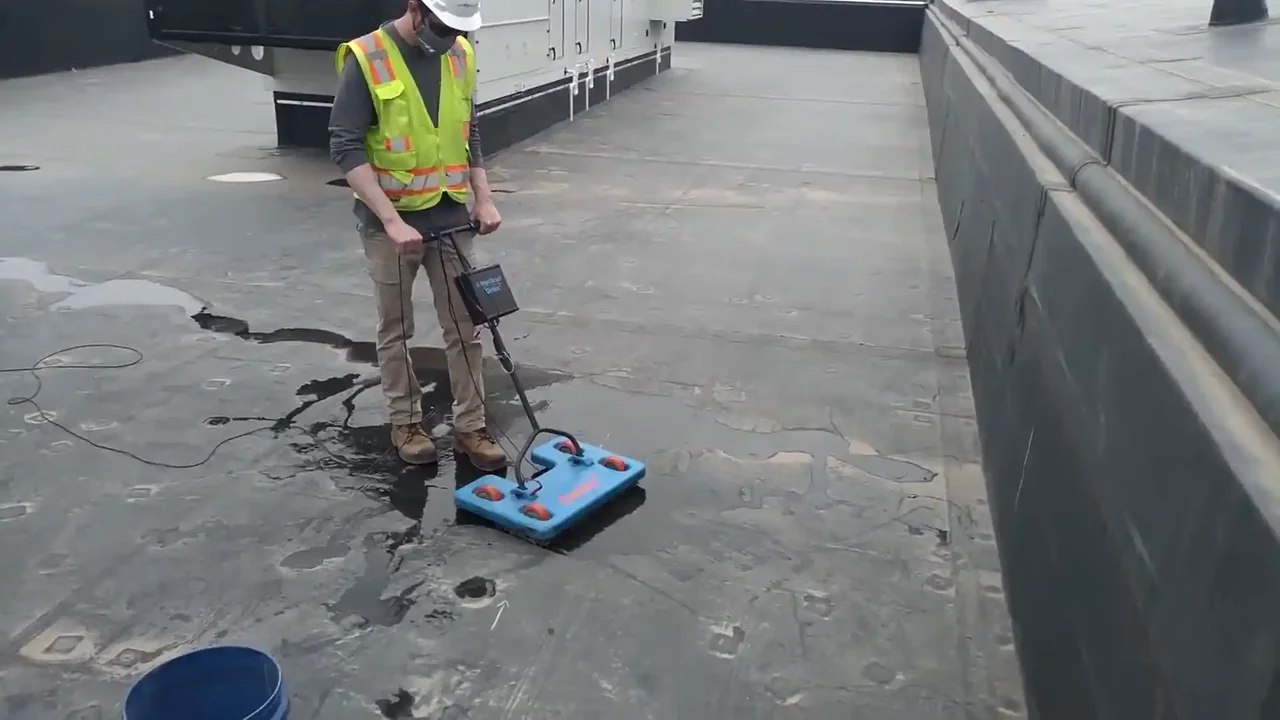
Electronic leak detection refers to a family of detection technologies that use electronic signal processing to locate pipe leaks with greater precision than basic acoustic listening. In the context of residential leak detection in Smyrna, the most important electronic method is leak noise correlation, which uses two sensors placed at known access points on the same pipe and electronically correlates the time delay between the leak signal reaching each sensor to calculate the leak position mathematically. Electronic detection extends leak location capability to lower-pressure and lower-flow leaks that may be below the threshold of straightforward acoustic listening.
How Electronic Works
A leak noise correlator uses two acoustic sensors placed at known points along the same pipe run, such as at two shutoff valves, two hose bib connections, or at a meter and a house entry point. Each sensor continuously samples the acoustic environment at its position. The leak produces a sound wave that travels along the pipe in both directions. Because the two sensors are at different distances from the leak, the sound arrives at each sensor at slightly different times. The correlator measures this time delay precisely, and combined with the known propagation velocity of sound in that pipe material, calculates the distance from each sensor to the leak point. This gives a precise leak location along the pipe run without requiring any contact with the pipe surface between the two sensor points.
How We Apply This in Smyrna and Cobb County
In Smyrna, electronic correlation is particularly useful for service line leak location when the service line runs under a driveway, paved surface, or planted area where walking acoustic scanning positions along the full pipe path is not practical. We place one sensor at the water meter and one sensor at the house entry point or an interior shutoff, and the correlator calculates the leak position along the underground run from two fixed points only.
Electronic detection is also the preferred method for lower-pressure supply line leaks in Smyrna homes where the leak flow rate is too low to produce a strong acoustic signal that walking microphone scanning can reliably locate. The correlator's signal averaging and filtering capabilities extract the leak signature from background noise at lower signal levels than manual acoustic scanning.
Electronic correlation differs from basic acoustic detection in that it does not require walking a scan path along the pipe route or placing sensors at each scan position. The correlation calculation works from just two fixed sensor positions, making it well suited for pipe runs that are not accessible along their full length. The two methods are complementary and we use both on complex leak location jobs.
Need electronic for a leak in your Smyrna home? Call for same-day service.
Call (770) 214-4545When We Use This Method in Smyrna
We apply electronic leak detection for service line leaks under driveways and paved surfaces in Smyrna where a full walking acoustic scan is not feasible, for low-flow supply line leaks in wall cavities where standard acoustic sensitivity is insufficient, and as a verification tool after acoustic scanning to confirm leak position before marking a concrete or excavation access point. Electronic correlation requires pressurized pipe and known access points at both ends of the pipe section being investigated.
Frequently Asked Questions
Related work often surfaces during the same visit. We also handle acoustic correlation for higher-rate leaks producing a clear signal and serve Mavell Road homes with buried service lines in red clay soil as part of our Cobb County coverage.
Correlation uses two sensors placed at access points on the same pipe. Each sensor picks up the acoustic signal from the leak. Because the leak is closer to one sensor than the other, the sound arrives at each sensor at a slightly different time. The correlator measures this time difference and, using the pipe material's sound propagation speed, calculates where on the pipe run the leak must be located to produce that exact time difference.
Yes. Correlation sensors are placed at the meter and at the house entry point, both of which are accessible without concrete removal. The calculation is performed between those two points. Concrete is opened only at the calculated leak position, not along the full pipe run.
Yes. Sound propagation velocity differs between copper, HDPE, PVC, and galvanized steel. The correlator requires the pipe material to be specified so it uses the correct propagation velocity in its calculation. Using the wrong propagation velocity shifts the calculated leak position along the pipe run. We confirm pipe material before running the correlation calculation.
Both are effective for slab leaks in different ways. Acoustic scanning with listening discs on the concrete surface is fast and effective for clearly audible slab leaks. Electronic correlation is preferred for lower-flow slab leaks where acoustic signal is weak or for slabs where access to the full surface is restricted by furniture or fixtures. We use both tools and select the approach based on the specific conditions of the investigation.
Questions about a leak in your Smyrna home? Call anytime.
Call (770) 214-4545