
Leak Detection & Repair in Smyrna, GA
Smyrna homes run on soft Chattahoochee surface water and sit on red Piedmont clay. These two local conditions produce the slab leaks, pinhole copper failures, and basement leaks we find with acoustic and thermal detection, without tearing up your floor or yard first.
Basement Leak
Piedmont clay + 52" of rain = hydrostatic pressure on every basement wall in Cobb County.
Slab Leak
Non-invasive acoustic and thermal detection. Find the leak before we touch the concrete.
Pinhole Leak
Smyrna's Copper from the 1960s through 2000s corrodes from age and water chemistry, not hard-water scale.
Non-Invasive Leak Detection in Smyrna, GA
Three facts about Cobb County's water, soil, and construction that change how leaks happen here, and how we find them.
Smyrna draws soft surface water from the Chattahoochee River and Lake Allatoona through the Cobb County-Marietta Water Authority. Pinhole leaks here come from copper age and mild water chemistry, not the hard-water scale that plagues limestone-aquifer cities. That's a different diagnosis than most plumbers expect.
Smyrna is the wettest market in our service network. Heavy spring thunderstorms and Gulf tropical remnants push water against every basement wall in the Piedmont. Georgia red clay holds that moisture in place, building hydrostatic pressure that eventually finds any crack in a foundation or sump system.
Because Georgia homes have basements. Daylight and walk-out styles are the norm in NW Atlanta's rolling Piedmont terrain, and our Smyrna service list includes basement leak detection and sump pump diagnostics that slab-only markets never need. That's why we carry the full 45-service list here and nowhere else in our network.
Leak Detection & Repair Services in Smyrna
From slab to basement to pinhole: non-invasive detection first, precise repair second. View all 49 services.
Slab Leak Detection & Repair
Pinpoint leaks under concrete before they lift your floor. Acoustic and thermal methods. No blind jackhammering.
Learn More →Basement Leak Detection & Repair
Smyrna's Piedmont clay holds water against basement walls. We locate the source before the mold starts.
Learn More →Pinhole Leak Detection & Repair
Decades-old copper in Smyrna's mid-century homes fails from age and water chemistry, not hard-water scale. We find them.
Learn More →Foundation Leak Detection & Repair
Red clay shrink-swell and 52 inches of annual rain test every foundation. Know what's leaking before it cracks.
Learn More →Sewer Line Leak Detection & Repair
Downtown Smyrna's older cast-iron laterals corrode from the inside out. Camera inspection finds it without digging.
Learn More →Water Heater Leak Detection & Repair
A dripping water heater wrecks a Smyrna basement floor faster than it wrecks an upstairs utility closet.
Learn More →Common Plumbing Leaks in Smyrna, GA Homes
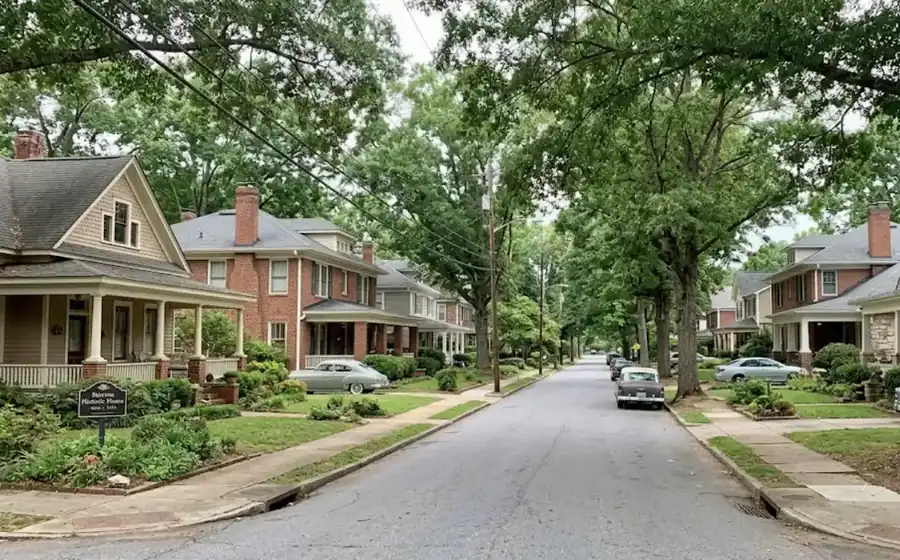
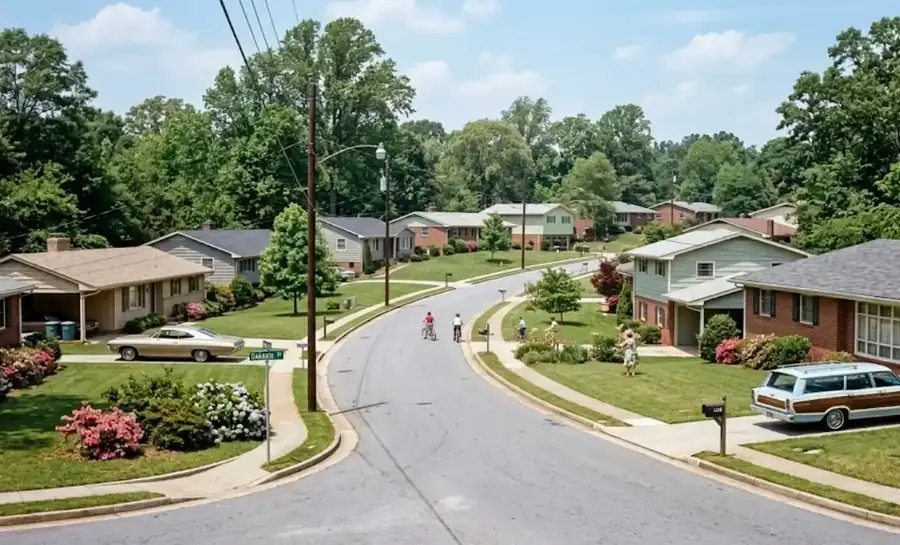
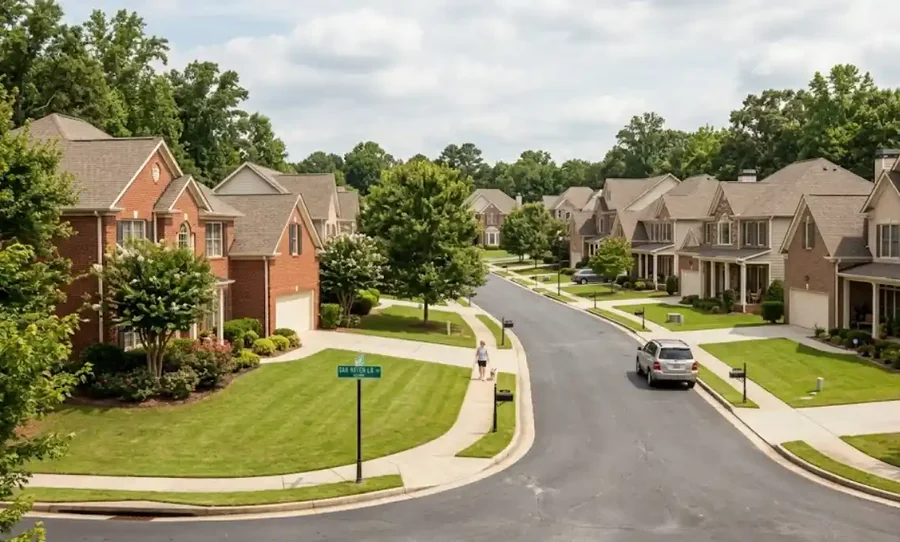
Smyrna's four housing-era cohorts each use different pipe materials with different failure modes. Knowing yours speeds up every diagnostic call.
The cost depends on what the acoustic scan shows. A single pinhole breach in accessible under-slab copper can be a spot repair through a small concrete access point. A copper system that has produced multiple pinholes or pressure loss on multiple branches is typically a candidate for rerouting the supply line through the wall cavity or a full PEX repipe, which eliminates the under-slab copper entirely. We give you both options with honest numbers after the detection visit. The cost of not repairing promptly is also measurable: at Smyrna combined water and sewer rates of $14.38 per 1,000 gallons at baseline, a moderate slab leak running 300 gallons per day adds roughly $130 per month to your City of Smyrna utility bill every month it runs.
A pressure decay test across the full supply system answers this directly. We isolate the supply, monitor pressure over a timed interval, then isolate individual branches. If pressure loss shows on one branch with the rest holding stable, the failure is likely isolated to that branch and a targeted repair is defensible. If pressure loss appears on multiple branches simultaneously, the system has entered systemic corrosion and the cost of continued patch repairs over a 3-to-5-year planning window typically exceeds a whole-house PEX repipe done once. Homes in Walker Park, Highland Park, and Argyle built in the 1960s and 1970s most commonly fall into the systemic category.
How We Detect Plumbing Leaks in Smyrna
Same-day service across Cobb County. We detect the leak with acoustic and thermal tools before anyone touches your floors or walls.
(770) 214-4545 Call Now | 24/7 EmergencyAcoustic and Thermal Leak Detection Methods
Find the leak before we touch the wall. Here's the process we use on every Smyrna and Cobb County call.
Acoustic & Pressure Scan
Ground microphones and pressure gauges listen for escaping water in supply lines, basement walls, and under slabs without breaking any surface.
Thermal Imaging Confirms
Thermal cameras map temperature differentials. A wet basement wall or a hot-water slab leak shows up as a clear signature before we open anything.
Pinpoint Repair
Once the leak is located precisely, we open only what's necessary, often a single access point, and repair. Most Smyrna homeowners are surprised how small the work area ends up being.
Why Smyrna Homes Get More Leaks
Soft Chattahoochee water, red Piedmont clay, and 70-year-old copper - three things that work against you.
The Water
The City of Smyrna draws surface water from the Cobb County-Marietta Water Authority, which pulls from the Chattahoochee River at the Quarles Treatment Division in Marietta and from Lake Allatoona at the Wyckoff Treatment Division in Acworth. The result is soft surface water testing at approximately 38 milligrams per liter of hardness - the softest supply in our 50-site service network.
Soft water does not build the protective carbonate scale that hard water deposits on pipe interiors. At certain pH and alkalinity levels it turns mildly aggressive toward aging copper. Combined with chloramine disinfection rather than free chlorine, Smyrna water slowly pits copper pipe from the inside outward rather than scaling it. The pitting is distributed across the full supply run, which is why the first pinhole in a Walker Park home is rarely the last.
The Soil and the Pipes
Smyrna sits on Georgia Piedmont red clay, which expands when wet and contracts when dry. That shrink-swell cycle through Smyrna's 52 inches of annual rainfall stresses buried pipe joints, pulls at foundation walls, and builds hydrostatic pressure against every basement in Cobb County. It is why the City of Smyrna Water and Sewer Division maintains 250 miles of water distribution lines and 140 miles of sewer lines - and why those lines need periodic inspection.
The housing stock amplifies the problem. Smyrna's mid-century buildout - Belmont Hills in the late 1940s, Walker Park in the 1960s, Argyle and Highland Park through the 1970s - means a large share of the city is served by copper supply lines that are now 50 to 65 years old. That is well into the soft-water corrosion window. First pinhole leaks in this cohort are not surprises; they are the predictable outcome of decades of chemistry and time.
What this means for your Smyrna home: A standard plumbing inspection designed for hard-water markets will not find the distributed pitting pattern that Smyrna copper develops. You need acoustic detection that listens along the full supply run, not just at the meter. And because the sewer bill is flat-rate volumetric at $9.30 per 1,000 gallons with no cap, every gallon a slow leak loses raises both bill line items simultaneously - water and sewer - every month it runs.
Smyrna Pipe Eras - Know Which Window You Are In
Your home's construction year tells us exactly what your pipes are made of and how far into the corrosion window they have traveled.
| Built | Neighborhoods | Supply Material | Current Risk |
|---|---|---|---|
| Pre-1960 | Belmont Hills, Downtown Smyrna, Smyrna Heights | Galvanized steel | Critical - 65-80 yr service |
| 1960s | Walker Park, Highland Park | Type L/M copper | Active - multiple pinholes likely |
| 1970s–80s | Argyle, Reed Mill, Mavell Road | Copper (mid-corrosion) | High - first pinholes appearing |
| 1990s | Wynfield, Brookhaven Smyrna, Concord Place | Copper or CPVC | Threshold - pressure test recommended |
| 2000s+ | Vinings Smyrna, Market Village | PEX or copper | Low - focus on fitting connections |
Not sure which era your home is? Tell us your address when you call and we will tell you immediately. The pipe material determines every step of the detection approach.
Smyrna Neighborhoods We Serve
We cover 24 neighborhoods, ZIP codes, and adjacent cities across NW Atlanta metro. See full coverage area.
Downtown Smyrna
Leak Service →Vinings Smyrna
Leak Service →Belmont Hills
Leak Service →Marietta
Leak Service →Mableton
Leak Service →Powder Springs
Leak Service →Walker Park
Leak Service →Highland Park
Leak Service →Wynfield
Leak Service →Brookhaven Smyrna
Leak Service →Argyle
Leak Service →Austell
Leak Service →Smyrna Plumbing Leak Guides
Cobb County homeowner resources: what to look for, what it costs, and when to call.
Hot Spot on Your Smyrna Tile Floor? Here's the Hot-Water Slab Leak Test
Read Guide →Smyrna Homes Over 20 Years Old: Why Pinhole Copper Leaks Are Almost Inevitable
Read Guide →Water Spot on the Smyrna Ceiling Below a Bathroom - Find the Source
Read Guide →Frequently Asked Questions: Leak Detection in Smyrna, GA
One call covers detection and repair across Cobb County's Jonquil City and the full NW Atlanta metro. Licensed in Georgia. Non-invasive methods. No guesswork.
(770) 214-45452415 Pine Rd, Smyrna, GA 30080 | Serving 24 Areas Across Cobb County