
Acoustic Leak Detection
Acoustic detection is the foundational tool for finding pressurized leaks in Smyrna concrete slabs and underground clay soil, no digging or opening required.
Call (770) 214-4545 | 24/7Licensed in Georgia | Cobb County | (770) 214-4545
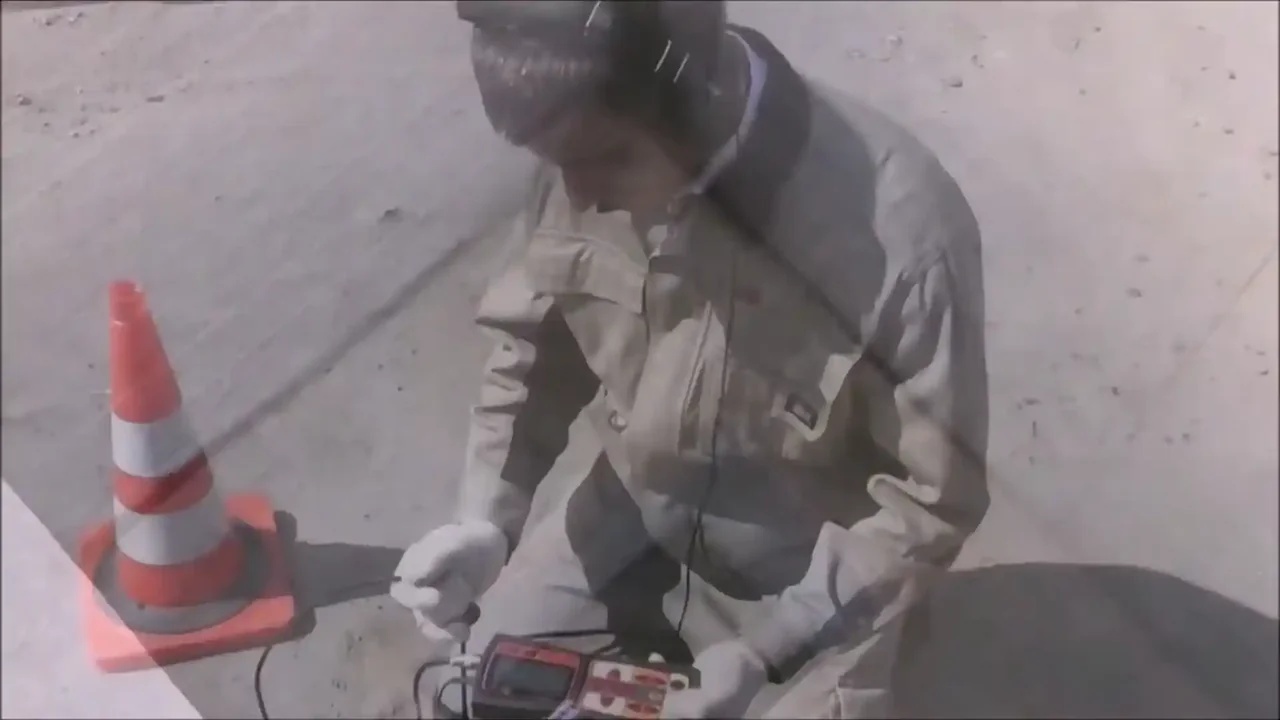
Acoustic leak detection uses sensitive microphones and amplifiers to hear the sound signature of water escaping a pressurized pipe. When water forces through a crack or breach under supply pressure, it produces a characteristic turbulent sound that travels through the pipe wall, through surrounding materials, and to the surface. Ground-contact acoustic equipment picks up this sound, and trained technicians use signal strength and frequency analysis to triangulate the breach location. Acoustic detection is the most widely applicable non-invasive leak location method and the first tool we deploy on any supply line investigation in Smyrna and Cobb County.
How Acoustic Works
The acoustic leak detection process in a Smyrna home works through a combination of listening discs, ground microphones, and electronic amplifiers. Listening discs are placed in direct contact with hard surfaces, such as concrete slabs, floor tiles, and paved surfaces, and pick up vibration transmitted through the material from the pressurized leak below. Ground microphones, which work without surface contact, are used on soil and turf surfaces where direct contact listening is not practical.
The signal from a pressurized leak has a characteristic frequency profile that differs from ambient noise, pipe flow noise, and vibration from appliances. Modern acoustic detection equipment uses frequency filtering to isolate the leak signature from background noise, and the signal strength at each listening position is compared to build a gradient map that points toward the highest-signal zone. The leak is located at the point of maximum signal intensity along the pipe path.
How We Apply This in Smyrna and Cobb County
Smyrna's geology and construction create specific conditions for acoustic detection. The red Piedmont clay soil transmits acoustic signals laterally as well as vertically, which means the highest-signal point at the surface can be offset from the actual pipe path by a foot or more when the leak is deep in saturated clay. We account for this by scanning multiple parallel passes along the pipe path rather than a single center-line scan, and by cross-referencing the peak signal position with the electromagnetically-located pipe path.
For slab leak detection in Smyrna's mid-century homes, acoustic listening discs placed directly on the concrete floor surface are highly effective. The concrete transmits the sound from an under-slab copper supply leak with relatively low attenuation, and in a quiet home with all appliances off, we can often hear the leak through the slab at listening positions 3 to 5 feet from the actual breach point. This allows us to narrow the location precisely before marking a concrete access point.
Acoustic detection differs from electronic leak detection in that acoustic methods listen for the physical sound of escaping water rather than for electrical signals. The two methods are complementary rather than redundant: acoustic is stronger for high-flow leaks in dense materials, while electronic methods extend detection to lower-flow leaks and different pipe materials.
Before either method gets deployed, a moving water meter with everything off is usually what confirms there is a leak to find in the first place. See our water meter leak detection page for that first diagnostic step.
Need acoustic for a leak in your Smyrna home? Call for same-day service.
Call (770) 214-4545When We Use This Method in Smyrna
We use acoustic leak detection as the primary location method for slab leaks in Smyrna's concrete-floor homes, for service line leaks in the clay-soil yard between the meter and the house, and for supply line leaks in wall cavities where the pipe is accessible to surface contact listening through an adjacent wall surface. Acoustic detection is most effective when the supply pressure is at normal operating level, the pipe material is rigid enough to transmit sound efficiently, and the ambient noise environment can be controlled by turning off HVAC, appliances, and other equipment during the scan.
Frequently Asked Questions
Related work often surfaces during the same visit. We also handle tracer gas detection for very slow leaks below acoustic range and serve Walker Park homes where 1960s copper is in the active pinhole window as part of our Cobb County coverage.
In optimal conditions, acoustic detection locates slab leaks to within 6 to 12 inches of the actual breach. In clay soil with signal scatter, accuracy is typically within 18 to 24 inches. We combine acoustic results with pressure testing and pipe path locating to maximize accuracy before marking any excavation point.
Yes. Listening discs can be placed on tile, hardwood, and laminate flooring surfaces and pick up acoustic signals from leaks beneath the floor. Signal attenuation increases with additional material layers, but modern amplifiers compensate for this. Concrete is the most acoustically transparent surface; multiple layers of finished flooring reduce signal strength but do not eliminate it.
Clay soil transmits acoustic signals laterally as well as vertically, which can offset the surface peak signal position from the actual pipe location. We scan parallel passes along the electromagnetically-located pipe path rather than assuming the signal peak is directly above the leak, which accounts for the lateral scatter.
Acoustic detection is less effective for very low-flow leaks where the signal is below the ambient noise threshold, for drain line leaks that are not under pressure, and for leaks in soft plastic pipe materials that absorb sound rather than transmitting it. In these situations, thermal imaging, electronic detection, or tracer gas methods are more appropriate.
Questions about a leak in your Smyrna home? Call anytime.
Call (770) 214-4545