Yard Leak Detection & Repair
Smyrna's red Piedmont clay distributes a yard leak sideways for feet before it surfaces. We locate the exact breach point without digging test holes across your lawn.
Call (770) 214-4545 | 24/7Licensed in Georgia | Cobb County | (770) 214-4545
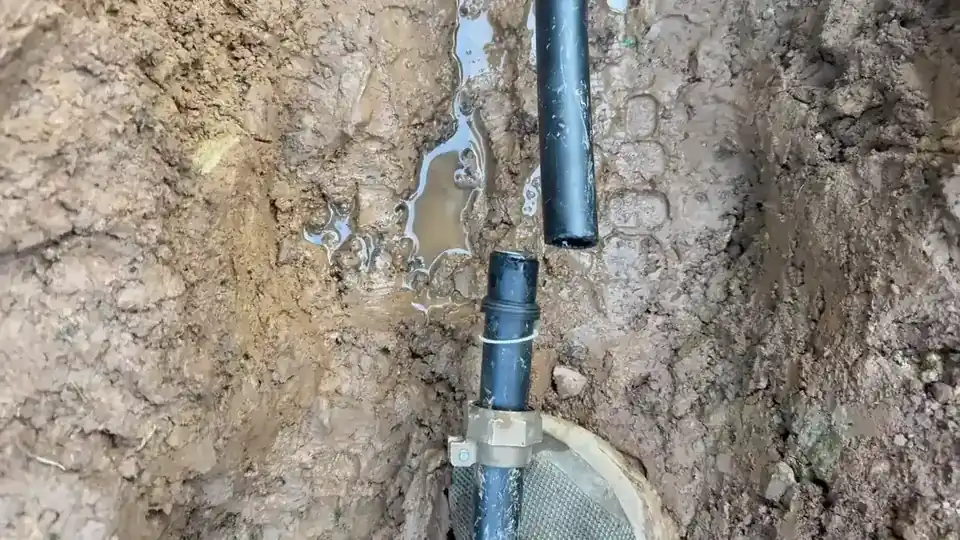
Yard leaks in Smyrna cover any water loss that occurs between the water meter at the street and the point where the supply line enters the home, plus irrigation and sprinkler lateral lines in the yard itself. The defining characteristic of a yard leak is that it is hidden underground, releasing water into Georgia's red Piedmont clay rather than into a visible space inside the house. That clay soil makes Smyrna yard leaks behave differently than yard leaks in sandy or loamy soils because red clay distributes water laterally through the soil profile rather than allowing it to drain vertically. A leak at a joint near the foundation wall can produce a soft wet area ten feet away, in the middle of the lawn, with completely dry soil at the actual breach point.
Smyrna's 52-inch annual rainfall compounds yard leak detection because the yard stays moist from rain for extended periods, making a wet area from an underground leak visually indistinguishable from normal Georgia soil saturation unless the wet area persists through a dry period. Homeowners typically discover yard leaks one of two ways: a persistent soft wet area in a specific yard location that does not dry out with the rest of the lawn after rain ends, or a City of Smyrna Water and Sewer Division water bill that is sharply higher than normal with no change in household use. Both are valid diagnostic triggers.
Yard Leak Sources We Diagnose
- Main service line: The supply pipe from the water meter to the house entry point. This is the most consequential yard leak because it runs continuously at full city supply pressure, releasing water around the clock until it is found and repaired. Older galvanized or copper service lines in Smyrna's pre-1980 housing stock are at higher risk than newer copper or HDPE lines.
- Irrigation supply lines: The main supply to the irrigation manifold and the lateral branch lines to each zone head. PVC laterals in Smyrna's sloping red clay yards experience joint stress from seasonal soil movement and occasional freeze events, producing slow leaks that inflate the water bill without any visible surface symptom during dry periods.
- Hose bib supply lines: The supply line feeding an exterior hose bib can fail at the connection inside the wall or underground if the line runs below grade to reach a remote bib location. These are typically lower flow leaks than a main service line failure but can run for extended periods undetected.
- Pool supply and return lines: For Smyrna homes with inground pools, the underground plumbing connecting the pool to the pump and filter equipment runs through the yard and can develop joint failures or freeze-cracking at fittings. A pool that loses water even when not in use and the pump is off points to underground plumbing rather than a shell or surface leak.
Soft wet area in your Smyrna yard or a water bill that jumped without explanation? Call for same-day yard leak detection.
Call (770) 214-4545How We Locate Yard Leaks in Smyrna's Red Clay
The standard yard leak detection sequence in Smyrna accounts for clay soil's lateral water distribution:
- Meter isolation test: We confirm the leak is on the homeowner's side of the meter by closing the house main shutoff and watching the meter. If the meter still shows flow with the house shutoff closed, the leak is between the meter and the shutoff, on the service line.
- Pipe path locating: We trace the service line and irrigation main paths electromagnetically before beginning acoustic scanning. In Smyrna's older neighborhoods, original pipe routing often deviates from the straight path a newer installer would take, and without locating the actual pipe path first, acoustic scan positions are not referenced correctly.
- Acoustic ground scanning: Ground-contact microphones are walked along the confirmed pipe path at intervals. The signal from a pressurized leak through Georgia red clay can be laterally offset from the pipe path by a foot or more due to clay's sound transmission characteristics. We account for this in the location algorithm and verify with multiple scan passes before marking the excavation point.
- Pressure testing for irrigation systems: Each irrigation zone is isolated and pressure-tested independently to identify which zone contains the active leak before beginning acoustic scanning on that zone's lateral run.
Yard Leak Repair in Smyrna
Once the leak location is confirmed, we excavate at the marked point only. In Georgia red clay, a clean excavation typically requires exposing 18 to 24 inches of pipe on either side of the breach to work effectively in the sticky soil. We make the repair, pressure test the repaired section, backfill with compactable material, and surface the repair appropriately. Sod is cut cleanly and replaced after repair when the ground condition allows.
For service lines in Smyrna's older neighborhoods where the existing galvanized or early copper line shows significant corrosion beyond the repair point, we discuss full service line replacement at the time of repair rather than patching a line that is likely to fail again at an adjacent location within the following months.
Frequently Asked Questions
Related problems often surface during the same visit. We handle underground supply line detection using acoustic correlation, including irrigation and sprinkler lateral break location. Our service area includes Smyrna 30080 service line work in the Spring Road corridor.
The meter test is definitive. Turn off every fixture and water-using appliance inside the house, then close the house main shutoff. Go to the meter at the street and watch the indicator dial or digital display. If the meter shows flow with the house shutoff closed, water is leaving the service line between the meter and the shutoff, confirming a yard leak on the service line. Call (770) 214-4545 and we can walk you through the test over the phone.
In Georgia red clay soil during the rainy season, a slow service line leak can run for months before it produces a visible surface wet area. The clay absorbs and distributes the water without allowing it to pool at the surface until the surrounding soil is fully saturated. A water meter check and a review of billing history from the City of Smyrna Water and Sewer Division are the most reliable early detection methods.
The City of Smyrna Water and Sewer Division is responsible for the water main in the street and the meter itself. The service line from the meter to the house is the homeowner's responsibility. If your meter shows flow with the house shutoff closed and there is no known city main work in progress nearby, the leak is on your side of the meter and requires a licensed Georgia plumber.
Georgia red clay is denser and stickier than sandy or loamy soils, which makes hand excavation more physically demanding. It also tends to collapse inward at the excavation walls when wet, requiring careful excavation technique to maintain a stable opening. We work with the soil conditions on every Smyrna yard leak call and have the appropriate equipment for clay excavation.
Questions about a leak in your Smyrna home? Call anytime.
Call (770) 214-4545