
Trenchless Leak Detection & Repair
Trenchless methods in Smyrna repair a sewer lateral or underground supply line from a single access point, leaving the yard, driveway, and landscaping largely intact.
Call (770) 214-4545 | 24/7Licensed in Georgia | Cobb County | (770) 214-4545
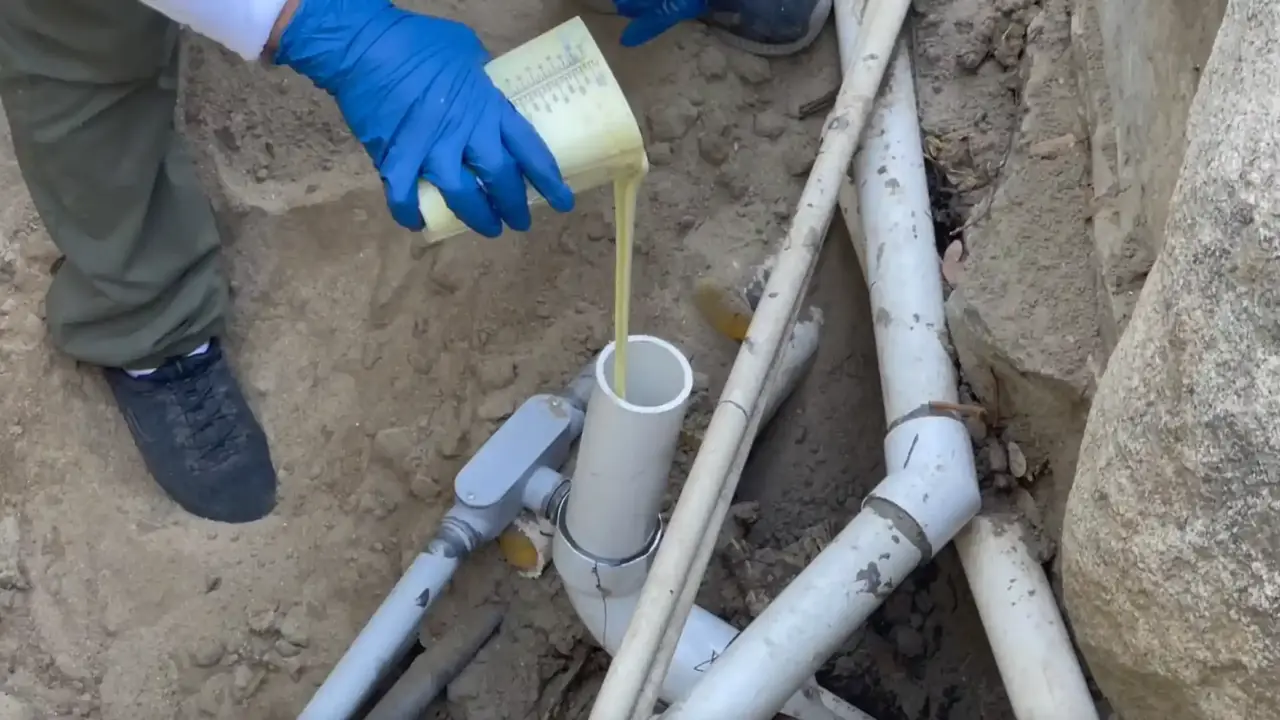
Trenchless leak detection and repair in Smyrna covers the investigation and repair of underground pipe failures using methods that minimize surface excavation compared to traditional open-cut repair. Trenchless technology does not eliminate all excavation: access points are always required at the pipe ends or at strategic locations along the run. What trenchless methods eliminate is the continuous trench along the full pipe length that traditional open-cut repair requires. For a sewer lateral that runs 60 feet from a Smyrna basement cleanout to the street main, trenchless repair creates two or three small access points rather than a continuous 60-foot trench through the yard.
Smyrna's mature landscaping, sloped Piedmont terrain, and high property values make trenchless methods particularly cost-effective here compared to flat markets with minimal existing landscaping. The large oaks, established ornamental plantings, and sloped yard features in Vinings Smyrna, Highland Park, and Belmont Hills represent significant replacement costs if a full-length trench is cut through the yard. Trenchless repair preserves these features while addressing the underlying pipe failure.
Trenchless Detection: Camera Inspection First
Every trenchless repair begins with a camera inspection to confirm the pipe condition along the full run before committing to a repair method. Trenchless techniques are only appropriate when the pipe structure is sound enough to support the repair method. A cured-in-place liner requires a pipe that is intact enough to hold pressure during the lining process. Pipe bursting requires continuous pipe alignment without major offsets. Camera inspection confirms these conditions and identifies any sections that require spot repair or excavation before or in addition to the trenchless scope.
Trenchless Methods We Use in Smyrna
- Cured-in-place pipe lining (CIPP): A flexible liner saturated with epoxy resin is inserted into the pipe through a single access point, inflated against the pipe interior, and cured in place. The result is a continuous smooth-walled pipe within the old host pipe. Effective for sewer laterals with root intrusion, corrosion damage, and minor joint offsets in the older Belmont Hills and Downtown Smyrna neighborhoods. Does not require excavation along the pipe run, only at the access point.
- Pipe bursting: A cone-shaped bursting head is pulled through the old pipe by a cable or hydraulic rod, fracturing the old pipe outward into the surrounding soil as it advances. A new pipe, attached behind the bursting head, is pulled into the void left by the fractured old pipe. Used when the old pipe is too deteriorated for lining but soil conditions allow the bursting force to be transferred without surface displacement. Requires access pits at both ends of the run.
- Spot repair sleeves: For isolated joint failures or crack sections, a short section of pipe or a repair sleeve is inserted and expanded at the specific failure point identified on camera, without addressing the full pipe run. This is the least invasive option when the failure is localized and the surrounding pipe is in good condition.
Sewer lateral or underground supply failure in Smyrna? Ask about trenchless options before committing to excavation.
Call (770) 214-4545When Trenchless Is and Is Not Appropriate in Smyrna
Trenchless lining is appropriate for Smyrna sewer laterals with root intrusion, corrosion, and minor joint displacement where the pipe structure is still basically continuous. It is not appropriate for severely collapsed pipes, for pipes with major alignment offsets, or for pipes where the host pipe diameter variation exceeds the liner's accommodation range.
Open-cut excavation remains the right approach for pipes with complete collapse, significant grade issues that need correction, or situations where access to the pipe run requires removing a structure rather than cutting soil. We recommend trenchless where conditions support it and open-cut where they do not, based on the camera findings rather than on a preference for one approach over the other.
Frequently Asked Questions
Related issues often surface during the same visit. We also handle acoustic and electronic pipe detection without excavation and serve Marietta GA commercial and residential trenchless service, including underground and yard supply line leak location.
It depends on the camera findings. Cast-iron laterals with internal corrosion, root intrusion at joints, and intact overall structure are good candidates for CIPP lining. Cast-iron laterals with through-wall failures, significant internal collapse, or major joint offsets may require open-cut replacement. Camera inspection tells us which category applies to your specific lateral.
Pipe bursting requires excavation pits at both ends of the pipe run, typically 3 to 4 feet in diameter. The bursting process itself displaces the old pipe into the surrounding soil without surface disturbance along the pipe run. The yard between the two access pits is not disturbed. For established Smyrna landscaping, this is a significant advantage over a full-length trench.
Camera inspection takes 30 to 60 minutes and produces the data needed to select the repair method. CIPP lining for a typical residential lateral takes 4 to 8 hours including liner installation and cure time. Pipe bursting takes 4 to 6 hours depending on pipe length. Spot sleeve repair is the fastest option, typically 2 to 3 hours.
Yes. Sewer lateral repair work, including trenchless methods, requires a permit from the City of Smyrna and an inspection at the connection point before backfill. The permit process applies to both trenchless and open-cut repair equally. We handle permit coordination as part of the project scope.
Questions about a leak in your Smyrna home? Call anytime.
Call (770) 214-4545