Pool Leak Detection & Repair
Smyrna pools lose water from evaporation every summer and from leaks every day of the year. The bucket test tells you which one you have before we investigate further.
Call (770) 214-4545 | 24/7Licensed in Georgia | Cobb County | (770) 214-4545
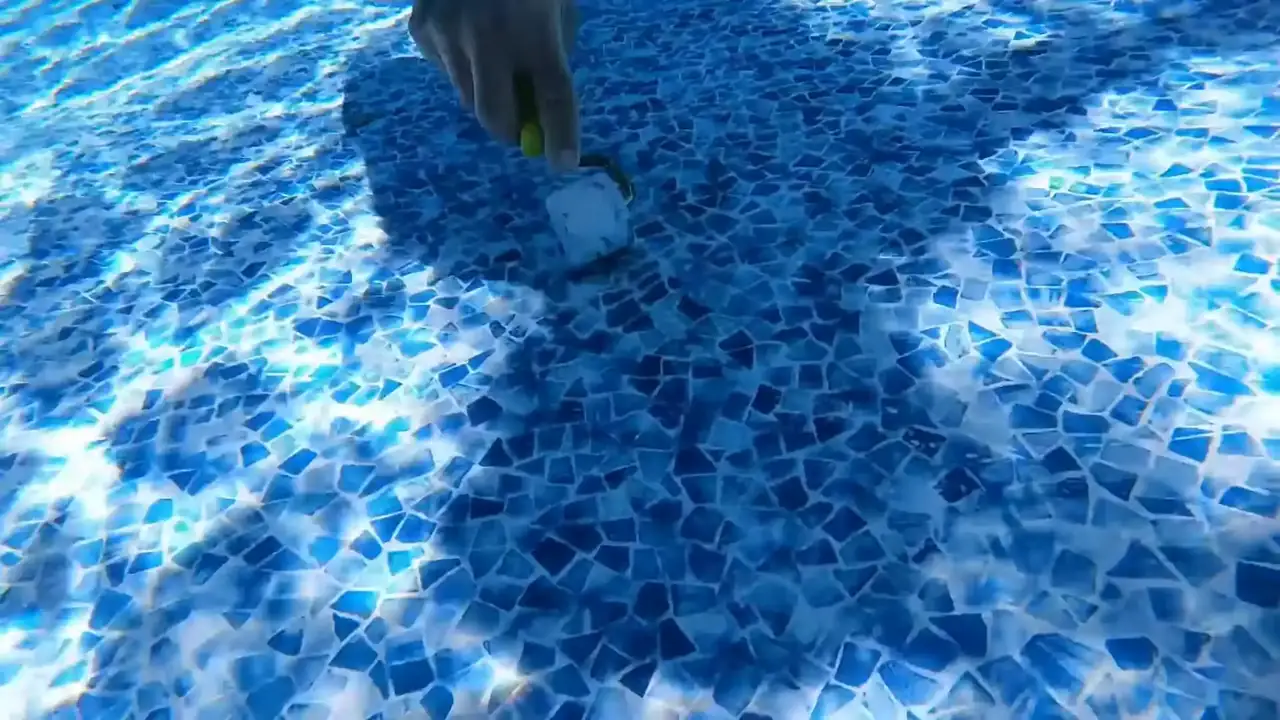
Pool leak detection in Smyrna requires distinguishing water loss from evaporation from water loss from an actual leak before beginning any investigation. Georgia's hot, humid summers produce less pool evaporation than drier climates like Arizona or California, but Smyrna's 88 to 90 degree July highs still generate measurable daily evaporation from a residential pool surface. A pool that loses half an inch to an inch per week in the summer is very likely losing most of that to evaporation. A pool that loses more than an inch and a quarter per week, or that loses water at the same rate in cooler weather when evaporation is minimal, almost certainly has a leak.
Cobb County's housing stock includes a substantial number of inground pools installed from the 1970s through the 2000s in the Vinings Smyrna, Concord Place, and newer developments. These pools range from original gunite shells that are 40 to 50 years old to fiberglass shells from the 1990s and 2000s. Each pool construction type has characteristic leak sources that differ from one another, and the detection approach differs accordingly.
The Bucket Test: Confirming a Pool Leak
The bucket test is the standard first step in pool leak investigation. It distinguishes evaporation from a genuine leak without any equipment:
- Fill a 5-gallon bucket with pool water and place it on the pool step, partially submerged, so it experiences the same temperature and sunlight exposure as the pool water.
- Mark the water level inside the bucket and the pool water level against the wall.
- After 24 hours with the pump off and no use of the pool, measure both levels.
- If the pool level dropped more than the bucket level, the difference is leak loss beyond evaporation. If both dropped the same amount, the loss is evaporation only.
We walk Smyrna homeowners through the bucket test over the phone before scheduling a service call. If the bucket test confirms a leak, we schedule the full diagnosis visit.
Pool losing water in Smyrna that the bucket test confirms is a leak? Call for professional pressure testing and location.
Call (770) 214-4545Pool Leak Sources We Diagnose
- Shell cracks: Gunite and plaster pools develop structural cracks from Georgia red clay soil movement, the shrink-swell cycle under the pool deck, and tree root pressure from Smyrna's mature landscaping. Cracks in the pool shell can be as narrow as a hairline and still release significant water volume.
- Fitting and return leaks: The return jets, main drain, skimmer fitting, and light fixture niches all penetrate the pool shell and are sealed with gaskets and fittings that deteriorate over time. A failed skimmer-to-wall gasket is one of the most common pool leak sources in older Smyrna pools.
- Underground plumbing: The supply and return lines between the pool shell and the equipment pad run underground. Joint failures and crack-induced leaks in these lines release water into the yard soil rather than into the pool, producing a net water loss from the pool with no visible surface evidence at the equipment pad or the shell.
- Equipment pad leaks: The pump, filter, and heater connections at the equipment pad can develop fittings leaks that are visible at the pad during equipment operation. These are typically lower flow leaks than shell or underground plumbing failures.
Pressure Testing Pool Plumbing
Pressure testing the underground pool plumbing lines isolates leaks in the return lines, suction lines, and equipment connections without excavation. We plug the pool-side and equipment-side ends of each line in turn and pressurize the isolated section, monitoring for pressure decay over a timed interval. A line with an active underground leak shows pressure loss; a structurally sound line holds pressure. This test identifies which specific line or lines are leaking before any excavation is planned, directing the excavation to the right location.
Frequently Asked Questions
Related problems often surface during the same visit. We handle inground pool structural leak pressure testing, including underground supply line detection for pool equipment pads. Our service area includes Vinings Smyrna pool installations from the 1990s and 2000s.
In Smyrna's hot, humid summers, typical pool evaporation is roughly one quarter to one half inch per day, or one and a half to three and a half inches per week, depending on sun exposure, wind, and whether the pool has a cover. A pool losing more than this rate, especially in cooler weather when evaporation is minimal, is likely leaking. The bucket test confirms the difference.
Yes. Georgia red clay's moderate shrink-swell cycle can move pool decking and the soil adjacent to the pool shell seasonally. Combined with the weight of water inside the pool and Smyrna's occasional freeze events, the cumulative movement over decades can produce structural cracks in gunite pool shells. Root pressure from the mature trees common in Smyrna's neighborhoods can also produce localized shell cracking near the pool perimeter.
Increased water loss with the pump running versus with the pump off suggests the leak is in the pressurized return plumbing rather than in the pool shell or suction side. When the pump is on, the return lines are under pressure and the leak rate increases with the pressure. When the pump is off, the lines depressurize and the leak rate drops or stops. Pressure testing the return lines with the pump off confirms this diagnosis.
That depends on the extent of structural cracking versus surface wear. Surface wear, discoloration, and etching are cosmetic issues addressed by replastering. Structural cracks that produce water loss need to be repaired before replastering, because plaster applied over an active crack will crack again at the same point as the underlying structure moves. We assess pool shell condition during the leak detection visit and advise on whether repair, replaster, or both are appropriate.
Questions about a leak in your Smyrna home? Call anytime.
Call (770) 214-4545