Inground Pool Leak Detection & Repair
An inground pool leak in Smyrna hides in a gunite crack, a failed skimmer gasket, or an underground return line. Pressure testing each system tells us where before we dig anything.
Call (770) 214-4545 | 24/7Licensed in Georgia | Cobb County | (770) 214-4545
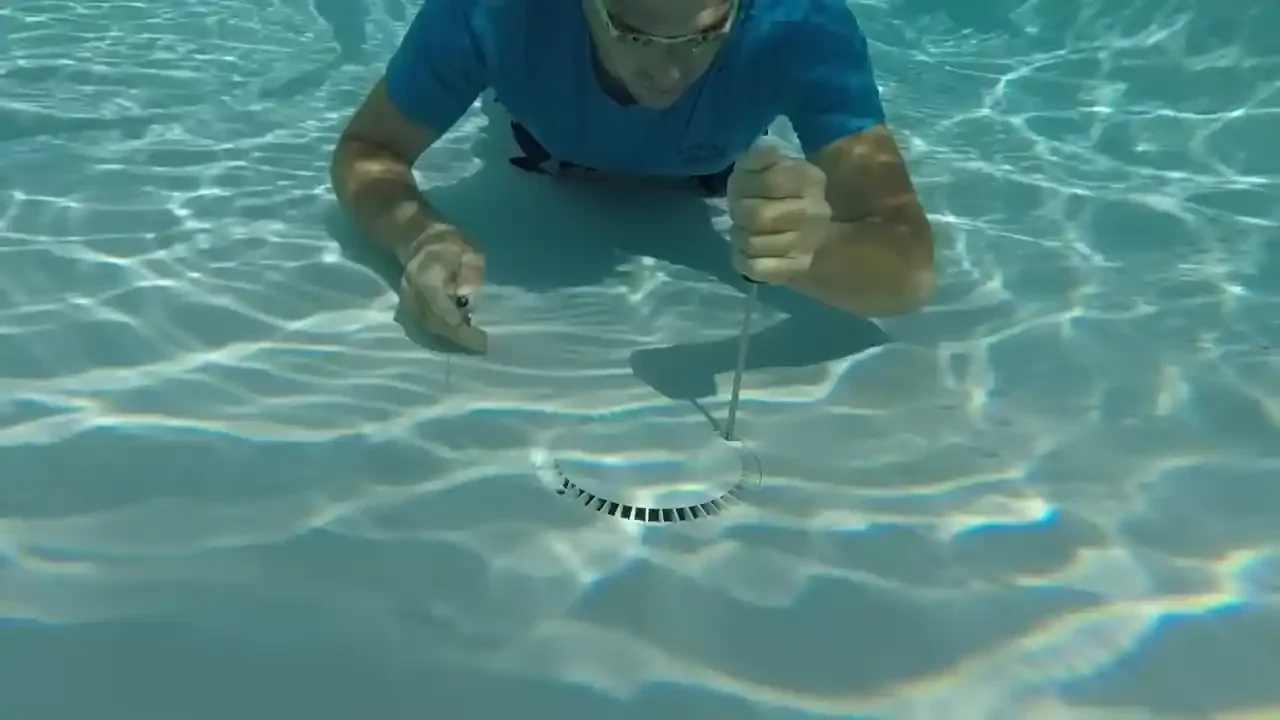
Inground pool leak detection in Smyrna focuses specifically on gunite, plaster, and vinyl-liner pool construction types that are most common in Cobb County's residential developments. The detection approach for an inground pool differs significantly from an above-ground pool because the shell is structural concrete or vinyl in contact with Georgia's red Piedmont clay, the plumbing runs underground through that clay, and the access to the leak source may require careful excavation in a finished pool deck environment.
Smyrna's inground pool inventory spans roughly four decades of construction, from original gunite pools in the Vinings Smyrna and Belmont Hills areas built in the 1970s and 1980s to newer fiberglass and vinyl-liner pools in the Wynfield and Concord Place developments from the 2000s. Each construction era and type has a characteristic failure pattern driven by the materials, the installation techniques of the period, and the interaction of those materials with Smyrna's specific soil and climate conditions.
Inground Pool Leak Investigation Sequence
We work through a structured investigation sequence designed to identify the leak source precisely before recommending any repair:
- Bucket test confirmation: Confirms that observed water loss exceeds evaporation before beginning the leak investigation proper. See the pool leak detection page for the bucket test methodology.
- Pump-on versus pump-off test: Monitoring water loss with the pump running versus with the pump off for equivalent time periods identifies whether the leak is on the pressure side of the system, the suction side, or in the shell independent of the pump operation.
- Visual shell inspection: We inspect the full shell interior, including the floor, walls, steps, and all fitting penetrations, using a submersible light and dye testing at suspected crack locations. Dye pulled toward a crack confirms an active water loss point at that location.
- Skimmer and fitting inspection: We inspect all skimmer bodies, return jets, main drain covers, and light fixture niches for gasket deterioration, housing cracks, and fitting seal failures using dye testing at each penetration.
- Underground line pressure testing: Each underground line is individually pressure-tested by plugging both ends and monitoring pressure decay. This identifies which specific underground line is leaking without any excavation.
Inground pool losing water in Smyrna beyond normal evaporation? Call for a full pressure test and shell inspection.
Call (770) 214-4545Gunite Pool Shell Repair in Smyrna
Gunite pools in Smyrna that are over 30 years old frequently show cracks from the cumulative effect of Georgia red clay movement, freeze-thaw cycling during occasional hard freezes, and the natural settlement and shrinkage of the shell concrete. Crack repair involves draining the pool to the crack level, routing the crack with a diamond blade to create a consistent repair channel, filling with hydraulic cement or epoxy injection material, and applying a surface coat. For cracks that have been active long enough to erode the surrounding plaster, the repair zone is replastered after the structural repair.
Skimmer body replacements in older Smyrna gunite pools require cutting the existing skimmer from the shell, removing the deteriorated body, and installing a new skimmer with a fresh shell gasket and plaster patch at the perimeter. This is a straightforward repair when the shell concrete around the skimmer is still structurally sound and becomes more complex when the concrete has deteriorated from long-term water contact around a failed gasket.
Underground Pool Line Repair
When underground pool plumbing pressure testing identifies an active line failure, we excavate at the identified leak location, expose the failing joint or pipe section, and repair or replace it. For Smyrna pools where the underground lines run under a concrete deck surface, we discuss access options including deck cutting, trenchless pipe rehabilitation from the pool-side access, and line rerouting around the deck before any concrete is disturbed. The goal is to reach the leak with the minimum necessary surface disruption while providing a durable repair that does not require returning to the same location.
Frequently Asked Questions
Related work often surfaces during the same visit. We also handle pool bucket test to confirm whether the loss is a leak or evaporation and can assess underground plumbing detection for pool equipment pad supply lines at the same appointment in Smyrna.
The pump-on versus pump-off test is the most reliable differentiator. If water loss is significantly greater with the pump running than with the pump off for the same time period, the leak is in the pressurized plumbing lines. If water loss is roughly equal with the pump running or off, the leak is in the shell or at a fitting that is not pressure-dependent. We can walk you through the test over the phone.
Yes. Smyrna's mature tree canopy produces root systems that extend well beyond the tree canopy radius. Inground pools within root range of large oaks or pines in Belmont Hills, Walker Park, or Vinings Smyrna can experience lateral root pressure on the pool shell perimeter and underground plumbing lines. Root-induced cracking tends to appear at the same point on the shell where the root system applies consistent force over years.
Not initially. Most inground pool leak investigations, including dye testing, pressure testing of underground lines, and visual shell inspection, can be performed with the pool full or at its normal water level. Draining a gunite pool in Smyrna should only be done under the guidance of a pool specialist, because an empty gunite pool in Georgia's clay soil can experience hydrostatic uplift from groundwater pressure that can crack or lift the shell.
The skimmer body gasket, which seals the skimmer opening against the pool shell, hardens and cracks over time. Smyrna's occasional freeze events can also crack the skimmer body itself if water was left in the skimmer during a hard freeze. A failed skimmer gasket is one of the most common inground pool leak sources and one of the more straightforward to repair when the surrounding shell concrete is sound.
Questions about a leak in your Smyrna home? Call anytime.
Call (770) 214-4545