
Sump Pump Leak Detection & Repair
Smyrna's 52-inch annual rainfall and red Piedmont clay put serious demand on basement sump systems. We find sump and discharge line failures before the basement floods.
Call (770) 214-4545 | 24/7Licensed in Georgia | Cobb County | (770) 214-4545
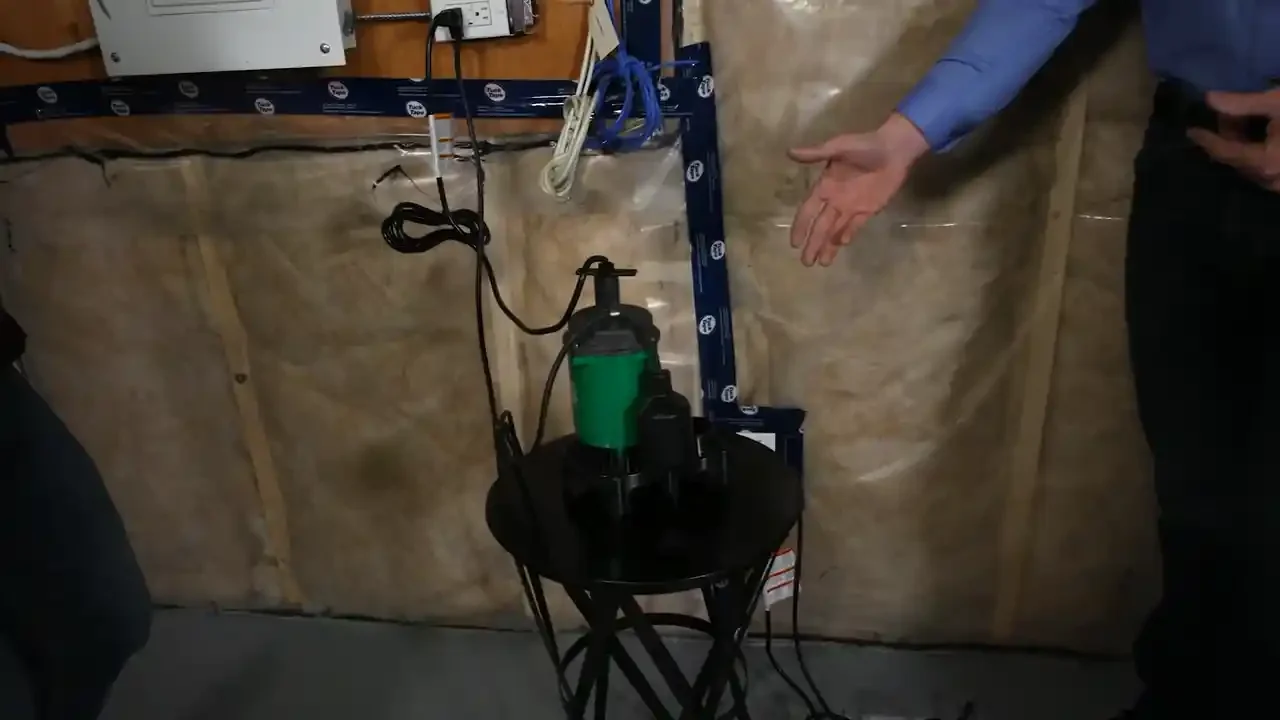
Sump pump systems are one of Smyrna's most important leak-related services and the one most distinct from anything we offer in our Texas or California sites. Georgia homes have basements. Those basements sit in Georgia red Piedmont clay that retains moisture through the rainy season. Fifty-two inches of annual precipitation, concentrated in spring thunderstorms and occasional Gulf tropical remnants, means that a properly functioning sump system is not optional in most Smyrna basement homes; it is the last line of defense against water intrusion when the surrounding soil is saturated.
A sump pump failure during a Smyrna thunderstorm can produce several inches of standing water in a finished basement in under an hour. But sump-related leaks also develop slowly: a cracked discharge line that re-routes water back toward the foundation rather than away from it, a failing pit liner that allows water to seep around the sump basin into the basement floor slab, or a check valve that allows backflow down the discharge pipe after each pump cycle. These slow failures are the ones that damage finished basement spaces in the Wynfield, Brookhaven Smyrna, and Concord Place neighborhoods over months without triggering an obvious flooding event.
Sump Pump Failure Modes We Diagnose
- Pump failure: Motor burnout, float switch failure, or intake screen blockage. The pump simply does not run when the pit fills. In Smyrna's wet climate, a failed pump during a storm produces rapid flooding.
- Discharge line leaks: The pipe that carries water from the sump pit to the exterior can develop cracks, loose couplings, or freeze-induced damage at the exterior termination during Smyrna's occasional winter ice events. A leaking discharge line returns water to the foundation instead of removing it.
- Check valve failure: The check valve prevents pumped water from flowing back down the discharge pipe into the pit. A failed valve causes the pump to short-cycle repeatedly, wearing the motor and leaving water in the discharge line that re-enters the pit.
- Pit liner cracks: A cracked or deteriorated sump basin liner allows water to bypass the pit and enter the basement floor slab directly. This produces a wet floor around the sump basin that looks like a plumbing leak but originates in the liner.
- Undersized or overwhelmed system: Some Smyrna basement homes were built with single-pump systems that are not adequate for the hydrostatic load during heavy spring rain events. A properly sized system for Georgia's wet climate typically includes a primary pump with a battery backup or secondary pump.
Sump pit running constantly or discharge line dripping back toward the house? Call for same-day diagnosis.
Call (770) 214-4545How We Diagnose Sump System Leaks
We start with a visual and operational inspection of the complete sump system: pit, liner, pump, float switch, check valve, and discharge line from the basement exit to the exterior termination point. We run the pump under load with a garden hose to verify operation and observe the complete pump cycle. On the discharge line, we pressure-test for leaks and inspect the exterior termination for backflow or pooling conditions that indicate the discharge is not moving water far enough from the foundation.
When the sump system is functioning but water is still entering the basement floor, we investigate whether the source is a plumbing line failure near the sump area or exterior hydrostatic pressure bypassing the pit entirely. In Walker Park Smyrna and Highland Park homes with older basement plumbing, a supply line leak near the sump area is sometimes misread as sump failure. We confirm the source before recommending any repair path.
Sump Pump Repairs We Perform
We replace failed pumps, check valves, float switches, and discharge line sections. For homes that need a battery-backup secondary pump added to the system, we size and install the backup unit and test the full system under simulated load. All sump pump electrical work is coordinated with a licensed electrician when the job scope includes panel connections.
For the basement leak vectors that occur in conjunction with sump system problems, we diagnose and repair plumbing sources as part of the same call whenever possible, reducing the number of service visits needed to resolve a complex basement water situation.
Frequently Asked Questions
Related work often surfaces during the same visit. We also handle basement water intrusion from hydrostatic pressure in Piedmont clay and serve Williams Park basement homes with red clay soil and high rainfall as part of our Cobb County coverage.
Given Smyrna's 52-inch annual rainfall and clay soil conditions, annual testing before the spring storm season is the minimum. Testing involves running water into the pit and confirming a complete pump cycle, checking the check valve for backflow, and inspecting the discharge line exterior termination. Battery backup systems should have their batteries tested or replaced every two to three years.
Water appearing around the pit despite a running pump usually indicates one of three things: a cracked pit liner allowing water to bypass the basin, a discharge line leak returning water to the foundation perimeter, or a hydrostatic load that exceeds the pump capacity during heavy rain. We diagnose which failure is occurring and address it specifically. Call (770) 214-4545 for same-day assessment.
Sump pump installations that connect to the electrical panel or involve foundation penetrations for the discharge line typically require a permit in Smyrna and Cobb County. We handle permit coordination for installations where it applies.
Yes, during the occasional hard freeze events that Smyrna experiences, including the notable 2014 ice storm. The exterior termination of a discharge line can freeze solid, backing up into the line and potentially into the basement. A correctly sloped and winterized discharge termination reduces this risk significantly.
Questions about a leak in your Smyrna home? Call anytime.
Call (770) 214-4545