
Water Heater Leak Detection & Repair
A leaking water heater in a Smyrna basement can soak a finished floor fast. We find the source and repair or replace it the same day.
Call (770) 214-4545 | 24/7Licensed in Georgia | Cobb County | (770) 214-4545
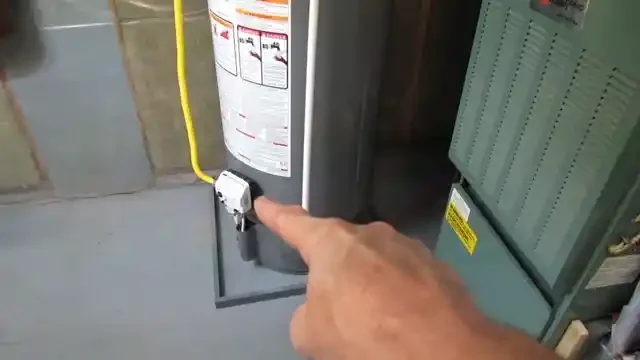
Water heater leaks in Smyrna and Cobb County break into two categories: leaks at the tank itself, and leaks at the connections and supply lines serving the heater. Telling them apart matters because a leaking tank usually means replacement, while a leaking supply connection or pressure relief valve line means repair. Calling a plumber who assumes the worst and recommends a new unit without properly diagnosing the source costs you money you may not need to spend.
In Smyrna's housing stock, water heaters are commonly installed in basement utility rooms or crawlspace areas, which means a slow tank leak can run for weeks on a concrete floor without producing a visible stain in the living space. By the time a homeowner notices, the concrete has wicked water under a finished floor section or into adjacent framing. The good news for Smyrna is that soft surface water from the Chattahoochee and Lake Allatoona is gentler on tank anodes and glass linings than the hard groundwater in markets like Georgetown, Texas, which runs above 400 milligrams per liter. A Smyrna tank on soft water typically outlasts an equivalent tank in a hard-water market by several years.
Where Water Heater Leaks Come From
We work through a systematic assessment rather than assuming tank failure immediately:
- Pressure relief valve (PRV) discharge: The PRV is a safety device that releases water when tank pressure or temperature exceeds safe limits. A dripping PRV line indicates either a failing valve or a temperature and pressure issue inside the tank. This is a repair or adjustment, not a tank replacement.
- Cold inlet or hot outlet connections: The threaded fittings where the supply lines connect to the tank develop small leaks at the threads or at the dielectric nipples, which corrode where copper meets steel. This is a fitting replacement, not a tank replacement.
- Drain valve: A slow drip at the drain valve at the base of the tank is common on units over 10 years old. The valve washer degrades. This is a valve replacement.
- Tank bottom rust-through: Sediment accumulation and internal corrosion eventually breach the tank liner and produce leaks from the base. This is not repairable. A tank leaking from the bottom needs replacement.
- Expansion tank failure: Homes with a closed plumbing system, which is most Smyrna homes built or retrofitted after 1990, require an expansion tank to absorb thermal expansion. A failed expansion tank causes chronic PRV dripping and eventually stresses the tank connections.
A gas water heater also has a gas line connection worth checking if you smell anything unusual near the unit. That is a separate issue from a water leak, covered on our gas leak detection and repair page.
Puddle under your Smyrna water heater? Call before it reaches the finished floor.
Call (770) 214-4545Water Heater Location Matters in Smyrna Homes
The location of a water heater in a Smyrna home affects both the damage potential and the access complexity. Basement installations are the most common in Smyrna's mid-century housing stock, and a leak in a basement utility room that goes undetected can saturate the basement floor slab and wick into adjacent finished space. We frequently find water heater leaks in combination with other basement water issues, which is why we check the full utility area during a water heater leak call rather than isolating to just the tank.
Second-floor closet installations, more common in the 1990s-to-2000s townhome developments in Wynfield and the Market Village area, are higher risk when a tank fails: water runs through the floor structure to the ceiling below. A slow connection leak in a second-floor closet can saturate the ceiling drywall below for days before it stains through. Thermal imaging through the ceiling detects this before visible damage appears.
Repair vs. Replacement Decision
We give you an honest assessment based on the actual findings:
- If the leak is at a connection, fitting, or valve and the tank is in reasonable condition: repair the fitting or valve, test the system, and you're done.
- If the tank is leaking from the base, has significant internal rust visible at the drain valve, or is over 12 to 15 years old with a bottom leak: replacement is the right call. We discuss tank options, including tankless units, on the spot.
- If the PRV is discharging repeatedly and the tank is sound: investigate the system pressure and expansion tank condition before replacing either the PRV or the tank.
Water heater leaks are also sometimes misidentified when the actual source is a nearby supply line or the condensate drain of an HVAC air handler. We check the full utility room before attributing water to the heater. For situations where the leak is clearly coming from the supply pipe serving the heater rather than the heater itself, that connects to the broader topic of pipe leak detection.
Frequently Asked Questions
Related work often surfaces during the same visit. We also handle pipe and supply line detection at the water heater inlet connections and serve Smyrna 30082 homes where 20-year-old water heaters are at end of service life as part of our Cobb County coverage.
Smyrna's soft Chattahoochee surface water is gentler on tank anodes and glass linings than the hard groundwater in many other Georgia and Southern markets. A tank water heater in Smyrna often reaches 12 to 15 years with normal maintenance, compared to 8 to 12 years in hard-water areas. That said, a tank actively leaking from the base at any age needs replacement.
Yes, and quickly in Georgia's humid climate. A slow baseline leak at a connection fitting or drain valve can keep a basement utility room floor wet continuously for weeks. At Georgia humidity levels, that is enough to establish mold growth on framing, drywall, and stored items nearby. Finding and stopping the source is the first priority.
Tank water heater replacement pricing depends on tank capacity, fuel type (gas or electric), and the complexity of the installation. We provide a flat-rate price before any work begins. Call (770) 214-4545 for current pricing.
If the City of Smyrna or your supply utility has installed a check valve or pressure regulator on your service line, yes. Closed systems require expansion tanks to manage thermal expansion from the water heater cycle. Without one, the pressure relief valve on the heater discharges repeatedly and the tank connections are under elevated stress. Many Smyrna homes built before 1990 did not have expansion tanks at original construction but were later put on closed systems during meter upgrades.
Questions about a leak in your Smyrna home? Call anytime.
Call (770) 214-4545