
Pipe Leak Detection & Repair
Supply pipe, drain pipe, or sewer lateral, we trace the failure to the exact section before opening anything. Non-invasive detection first in every Smyrna home.
Call (770) 214-4545 | 24/7Licensed in Georgia | Cobb County | (770) 214-4545
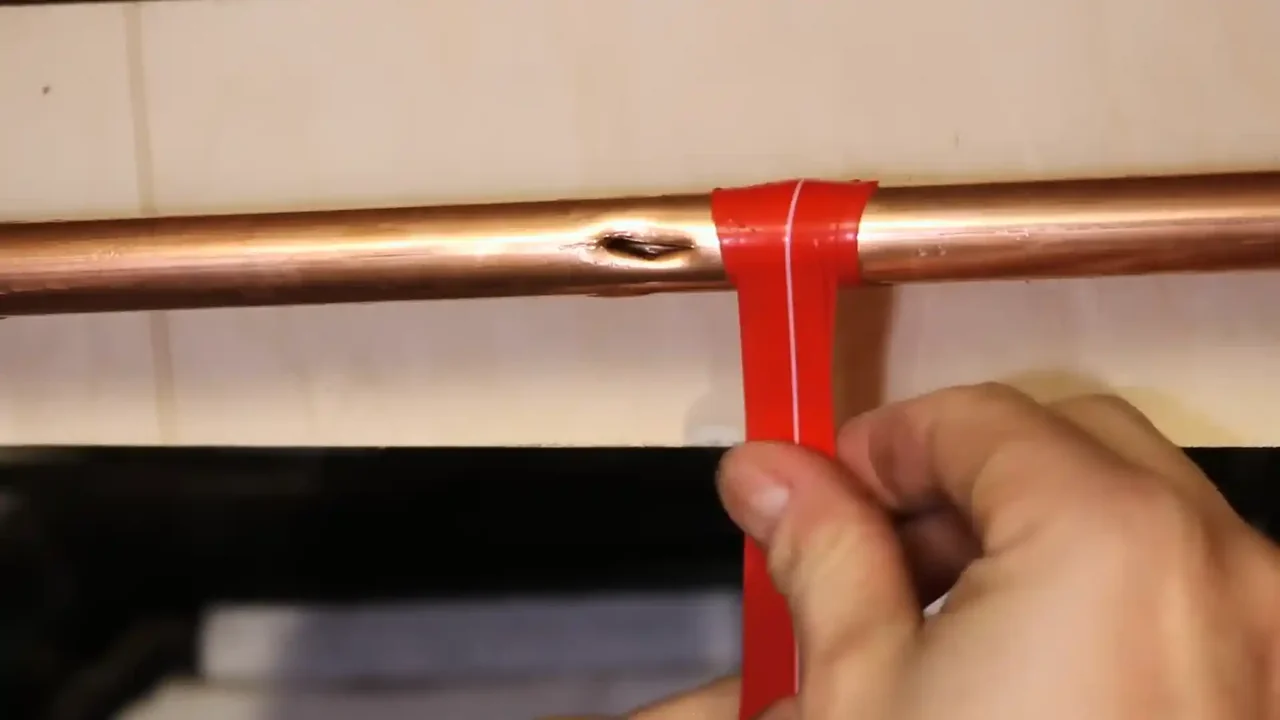
Pipe leak detection in Smyrna covers the full range of pipe materials and systems present in Cobb County's diverse housing stock. From galvanized steel supply in a 1940s Belmont Hills bungalow to PVC drain lines in a 2005 Concord Place basement, each material type and each era has characteristic failure modes that require a different diagnostic approach. This page covers the general pipe leak investigation process and the common failure patterns we find across Smyrna. For specific material types, see the dedicated pages for copper pipe and PVC pipe.
Pipe Leak by Material Type in Smyrna Homes
The pipe material in your home tells us immediately where to look first and what failure mode to expect:
- Galvanized steel (pre-1960 homes): Corrodes from the inside out, producing joint leaks and eventual through-wall failures. Also develops internal rust buildup that progressively restricts flow. Downtown Smyrna and Belmont Hills homes built in the 1940s and 1950s still have original galvanized supply in some cases.
- Copper (1960s-1990s homes): The dominant supply material in Walker Park, Highland Park, Argyle, Reed Mill, and the Spring Road area. Smyrna's soft Chattahoochee surface water combined with copper's 40-to-60-year service life in this era produces pinhole corrosion as the primary failure mode. See the copper pipe page for the specific detection sequence.
- CPVC (late 1980s-1990s): Chlorinated PVC used in some Smyrna homes during the transition period before PEX. CPVC becomes brittle with age and UV exposure and can crack at fittings under thermal stress. Newer Wynfield and early Brookhaven Smyrna homes may have CPVC supply.
- PEX (2000s+): Cross-linked polyethylene, dominant in Market Village townhomes and newer construction. PEX does not pit-corrode, but crimp and clamp fittings can fail, and the material is susceptible to UV degradation if exposed in crawlspaces or attics.
- Cast iron drains (pre-1980): Common in all older Smyrna neighborhoods. Corrodes from hydrogen sulfide gas inside the pipe, producing internal crown corrosion that eventually leads to collapse.
- ABS and PVC drains (1970s+): Plastic drain systems generally outlast cast iron but develop joint failures, root intrusion at couplings, and glue-joint delamination over decades.
Steel gas lines corrode by the same electrochemical process as galvanized water pipe, just carrying a different substance. If the suspected leak is on the gas side of the house rather than the water side, see our gas leak detection and repair page for the utility coordination steps involved.
Know you have old pipe but not sure where it is failing? Call and we will find it.
Call (770) 214-4545Supply Pipe Leak Detection Process
Supply pipe leaks are detectable with pressure decay testing. We isolate the system and monitor pressure loss over a timed interval, then isolate individual branch lines to narrow the failure to a specific run. Thermal imaging and acoustic listening then locate the breach within that run to within a few inches before we open any wall or floor surface.
In Smyrna's basement homes, supply pipe runs through finished ceiling spaces above the basement, which makes access more complex than in slab-on-grade construction. We work systematically through the basement ceiling rather than opening multiple access points speculatively.
Drain Pipe Leak Detection
Drain lines cannot be pressure-tested the same way supply lines can, because they are gravity-flow systems that run dry except during use. We investigate drain leaks through a combination of camera inspection, drain dye testing, and visual inspection at accessible joints and cleanouts. A slow drain leak in a finished Smyrna basement ceiling is one of the harder failures to locate without a camera, because the water may travel several feet along a joist before dripping.
A clog is a different problem entirely from a drain leak, since nothing is escaping the pipe. If snaking or jetting is what you actually need rather than leak detection, see our drain cleaning page.
Pipe Repair Options
The right repair depends on the material, the failure type, and how much of the run is affected. Single joint failures and pinhole leaks in otherwise sound pipe are worth repairing in place. Patterns of failure across a system of the same age and material indicate systemic deterioration where sectional repair is a short-term fix. We discuss the options and their long-term cost trajectories honestly before any work begins, and for significant deterioration we typically recommend the whole-house repipe assessment before committing to repeated patch repairs.
Frequently Asked Questions
The water meter test is the fastest supply-system check: turn off every fixture and appliance and watch the meter. If it moves, you have an active supply leak. Drain system leaks often show up as moisture staining or odor in the space below a drain line rather than a moving meter. Call (770) 214-4545 and describe what you're seeing; we can usually point you in the right direction over the phone.
Yes, during hard freeze events. Smyrna is in USDA Zone 7b-8a and averages January lows of 33 to 38 degrees, with occasional hard freezes and ice storms. The 2014 Snowmageddon event caused significant pipe bursts across the Atlanta metro. Pipes in uninsulated exterior walls, crawlspaces, and garage areas are the most vulnerable. We handle burst pipe repair as an emergency call.
A 1975 Smyrna home most commonly has copper supply lines and cast-iron or early ABS drain lines. The copper is now approximately 50 years old and in the active pinhole-corrosion window for Smyrna's soft surface water chemistry. If you have not had a supply pressure test recently, it is worth scheduling one.
A single joint or pinhole repair in an accessible location typically takes two to three hours from detection to completion. Complex repairs in finished basement ceilings or walls can take longer depending on access. We give you a realistic time estimate and scope before work begins.
Questions about a leak in your Smyrna home? Call anytime.
Call (770) 214-4545