Wall Leak Detection & Repair
Wall leaks in Smyrna run silently inside the cavity until the drywall face stains. Thermal imaging finds the wet zone so we open one targeted access, not the whole wall.
Call (770) 214-4545 | 24/7Licensed in Georgia | Cobb County | (770) 214-4545
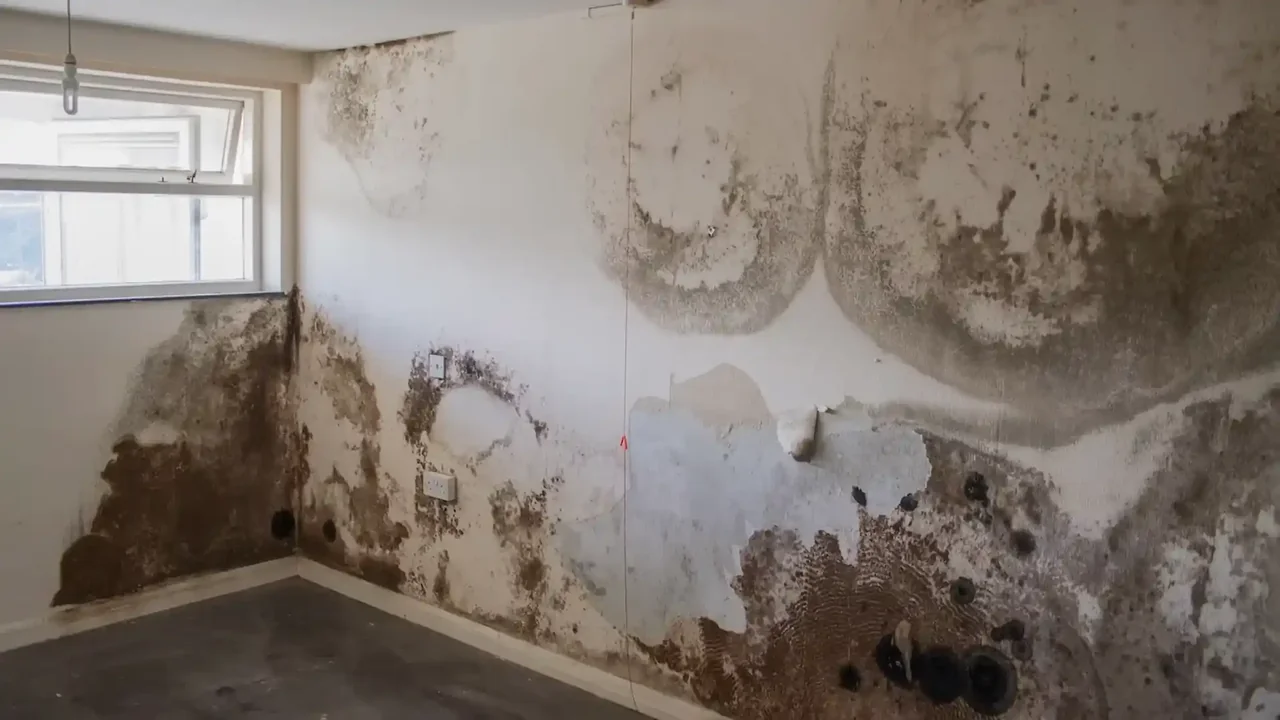
Wall leak detection in Smyrna covers two fundamentally different leak categories that both produce moisture inside the wall assembly: plumbing leaks from supply or drain lines inside the wall cavity, and exterior water intrusion through the wall structure from rain, foundation seepage, or failed exterior caulking. Distinguishing between these two categories before opening any wall is essential, because the repair for each is completely different and opening the wrong part of the wall wastes both time and drywall.
In Smyrna's mid-century housing stock, interior wall plumbing leaks are most common in the walls that contain the supply risers serving bathrooms and kitchens. A slow pinhole leak in a 1970s copper supply line inside a wall cavity in Walker Park Smyrna can release water at a rate slow enough that the homeowner never hears running water and the bill increase is gradual, but the moisture accumulates in the wall cavity and produces mold on the face of the stud framing within weeks. The drywall face may not show staining for months after the leak begins.
Interior Wall Plumbing Leaks
Supply line leaks inside walls are caused by the same failure modes as supply leaks elsewhere: pinhole corrosion in aging copper, fitting failures at elbow and tee connections, and compression fitting failures at fixture shut-off stubs. In Smyrna homes, the supply lines running inside wall cavities are typically in the same age cohort as the supply lines under slabs and in basements, which means they are in the same failure window.
Drain lines also run inside wall cavities, particularly the drain stack that serves second-floor bathrooms and passes through first-floor wall spaces on its way to the basement connection. Cast-iron drain stacks in Belmont Hills and Downtown Smyrna homes develop joint leaks at the hub connections. ABS and PVC drain stack joints can delaminate from solvent weld connections that were improperly made during original construction or previous plumbing work. Drain stack leaks inside walls are slower to produce visible symptoms than supply line leaks because drain lines only carry water during active fixture use, but they are no less damaging to the wall structure over time.
Dark spot on a Smyrna wall with no obvious source? Thermal imaging locates the leak before we open anything.
Call (770) 214-4545Exterior Water Intrusion Through Walls
Smyrna's 52-inch annual rainfall and Georgia's periodic tropical storm remnants create exterior water pressure against walls that is more sustained than in drier markets. Failed exterior caulking at window frames, door frames, and utility penetrations allows water to enter the wall assembly during rain events. In Smyrna's older masonry construction in Downtown Smyrna and Belmont Hills, brick mortar joint deterioration and failed parging can allow water to wick through masonry walls into the interior cavity.
Basement wall leaks from exterior hydrostatic pressure are covered in detail on the basement leak detection page. For above-grade walls, exterior intrusion diagnosis involves a wet-weather inspection combined with thermal scanning during or shortly after a rain event, when the moisture in the wall assembly is at its peak and most visible to the camera.
Thermal Imaging for Wall Leak Location
Thermal imaging is the preferred first tool for wall leak location because it maps the extent of moisture in the wall cavity without contact. A cold supply line leak behind drywall creates a temperature signature on the drywall surface. A wet framing member in a wall cavity shows a different thermal mass response than the dry framing on either side of it. We scan the full wall surface systematically and identify the moisture zone before marking the single access opening that is needed for direct inspection and repair.
The thermal scan also maps how far the moisture has spread from the leak point, which determines how much drywall needs replacement after the repair. A slow leak in a wall cavity that has been running for several months can saturate the base plate and lower stud sections while the leak point is higher in the wall. Knowing the full extent before opening prevents discovering additional damage mid-repair.
Frequently Asked Questions
Related work often surfaces during the same visit. We also handle thermal imaging to locate moisture in wall cavities without removing drywall and can assess basement water intrusion through foundation walls in Smyrna clay soil at the same appointment in Smyrna.
The most reliable differentiator is timing relative to rain. A stain that appears or grows during or after rain events and does not change with household water use is exterior intrusion. A stain that grows after morning bathroom or kitchen use and does not correlate with weather is interior plumbing. If both patterns apply, both sources may be active simultaneously. Call (770) 214-4545 and describe the pattern.
Yes. A slow pinhole leak in a wall cavity supply line can release less than a cup of water per day, which evaporates from the warm cavity without producing a visible stain for months. The framing and insulation absorb moisture during that period, and mold establishes on the framing faces before the drywall shows any sign. By the time a stain appears, the cavity has typically been wet long enough for mold to be present.
In most cases, yes. We schedule the investigation and repair as quickly as possible, but a home with a slow wall leak is not immediately unsafe. If the stain is near electrical outlets or panels, or if you detect a moldy or sewage odor from the wall area, describe this when you call. We prioritize calls with electrical proximity or sewage odor involvement.
Thermal imaging typically narrows the access to a single 12-by-24-inch or smaller opening at the confirmed leak point. Without thermal imaging guidance, guesswork access panels are often in the wrong location and require subsequent additional openings. Our approach is to scan first, open once, and do the drywall patch one time in the right place.
Questions about a leak in your Smyrna home? Call anytime.
Call (770) 214-4545