Dishwasher Leak Detection & Repair
A leaking Smyrna dishwasher soaks the subfloor under the kitchen before it shows at the door. Supply line, drain connection, and door gasket failures each leave a different clue.
Call (770) 214-4545 | 24/7Licensed in Georgia | Cobb County | (770) 214-4545
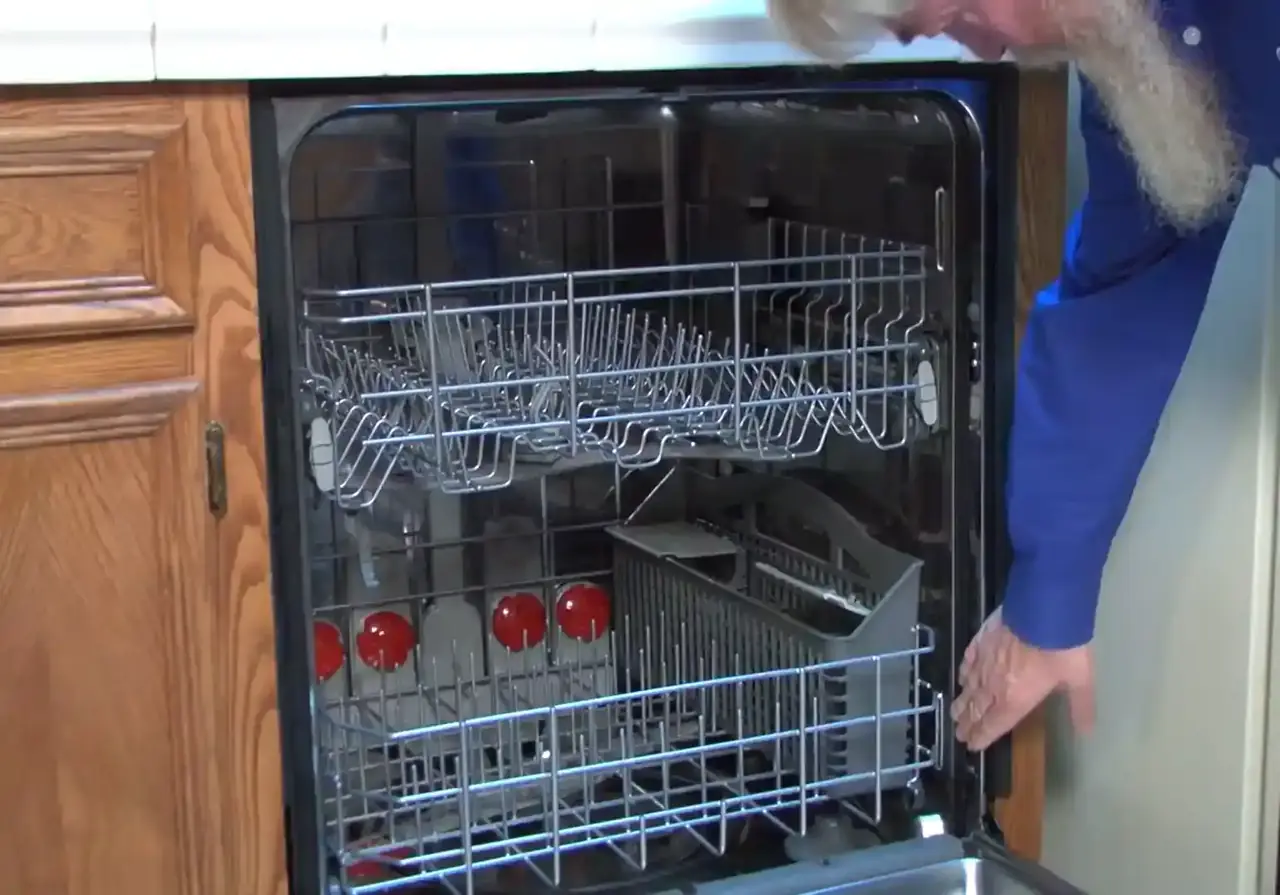
Dishwasher leaks in Smyrna kitchens produce water damage in locations that homeowners do not immediately associate with the dishwasher. A failed door gasket sends water out the front of the door onto the kitchen floor during the wash cycle. A failed supply line connection at the water inlet valve releases water inside the dishwasher kick plate space and soaks the subfloor beneath the unit before it is visible. A loose drain hose clamp leaks during the drain cycle and sends water behind the cabinet panel where it pools in the subfloor void or reaches the garbage disposal connection.
Smyrna kitchens in homes built from the 1990s onward in Wynfield, Brookhaven Smyrna, and Concord Place frequently have dishwashers that are at or past the 10-to-15-year mark where supply line and drain hose failures become more common. The braided stainless supply lines used on modern dishwashers have longer service lives than the original rubber supply lines in older units, but the compression fittings at the water inlet valve and at the supply shut-off valve under the sink are common failure points in both generations. In Smyrna's basement homes, a subfloor leak from a dishwasher supply line can travel through the floor structure and appear as a ceiling stain in the basement before the source is identified.
Dishwasher Leak Sources
- Door gasket failure: The rubber or vinyl seal around the dishwasher door perimeter hardens and cracks over time, particularly at the bottom corners where the gasket experiences the most bending stress. A failed door gasket allows water to escape at the door face during the wash cycle. The symptom is water on the kitchen floor at the door threshold, but only during the wash cycle rather than the drain cycle.
- Water inlet valve and supply connection: The water inlet valve that controls fill water into the dishwasher can develop a valve body crack or a failed inlet seal that drips during the fill cycle. The supply line connection to the valve at the compression fitting is a separate common failure point. Both are inside the kick plate space at the bottom front of the dishwasher.
- Drain hose connection: The drain hose connecting the dishwasher pump to the disposal or drain air gap runs under the sink. The hose clamp connections at the dishwasher outlet and at the disposal or drain inlet loosen from vibration and thermal cycling during wash cycles. A loose drain connection leaks during the drain cycle specifically.
- Pump seal and sump seal: The pump that circulates wash water and the sump that collects it at the base of the dishwasher use rubber seals that deteriorate over years of thermal cycling. A failed sump seal releases wash water into the subfloor space under the unit during every wash cycle.
- Spray arm and rack support leaks: Cracked spray arms or failed rack support seals redirect wash water against the interior walls rather than at the dish rack, which can produce unusual spray patterns that reach the door gasket and contribute to door leakage.
Water on the Smyrna kitchen floor after a dishwasher cycle? Call before the subfloor is saturated.
Call (770) 214-4545Locating the Dishwasher Leak
We run a full dishwasher cycle while observing from three positions: the door face during the wash cycle, the kick plate space at the bottom during and after the fill cycle, and under the sink at the drain connection during the drain cycle. This three-position observation during a single cycle identifies the leak source without removing the dishwasher from its cabinet position in most cases.
For leaks that have already produced subfloor damage, we check the subfloor moisture extent with a moisture meter before and after the dishwasher repair is complete to confirm the source is resolved and assess whether the subfloor needs remediation before the flooring above is reinstalled.
Frequently Asked Questions
Related problems often surface during the same visit. We handle supply line corrosion under the kitchen sink, including pipe leak detection in kitchen plumbing runs. Our service area includes Reed Mill homes where kitchen copper is 45 to 55 years old.
Water under the unit without visible floor leakage at the door suggests the supply line connection at the inlet valve or the sump seal is the source, not the door gasket. The supply connection is inside the kick plate space and releases water directly onto the subfloor. Remove the kick plate panel at the base of the dishwasher and check for pooled water or mineral deposits indicating a past supply line drip. Call (770) 214-4545 if the source is not immediately visible.
Yes. A slow subfloor leak from a dishwasher supply or sump seal in Smyrna's humid climate can establish mold in the subfloor and cabinet base framing within a few days of initial saturation. Subfloor mold under kitchen flooring is typically not visible until the floor covering is pulled up during a renovation or repair. Finding and stopping the leak source quickly limits the remediation scope.
Door gaskets, drain hose connections, and supply line fittings are minor repairs worth making on a functioning dishwasher. Pump seal and sump seal replacements involve more disassembly and are worth making on units that are otherwise performing well. If the dishwasher is over 12 years old and has a major internal seal failure plus a performance issue, replacement is often more cost-effective than thorough repair.
Turn off the dishwasher and close the supply shut-off valve under the sink that feeds the dishwasher supply line. If you do not have a dedicated shut-off for the dishwasher supply, close the main hot water supply shut-off under the sink. Pull out the kick plate panel and place towels to absorb standing water in the subfloor void. Call (770) 214-4545 for same-day service.
Questions about a leak in your Smyrna home? Call anytime.
Call (770) 214-4545