Crawl Space Leak Detection & Repair
Older Smyrna homes in Belmont Hills and Downtown have crawlspace foundations where galvanized supply and cast-iron drains fail out of sight. We go in and find it.
Call (770) 214-4545 | 24/7Licensed in Georgia | Cobb County | (770) 214-4545
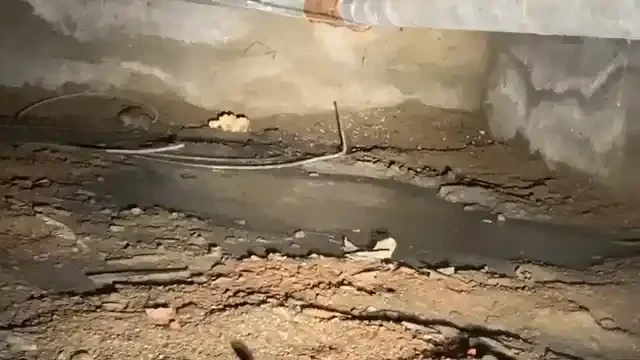
Crawl space leaks are a specific concern for Smyrna's older housing stock, concentrated in the pre-1960 neighborhoods of Downtown Smyrna, Belmont Hills, and parts of Smyrna Heights. These homes were built on pier-and-beam or perimeter-crawlspace foundations rather than the slab-on-grade construction common in the Sun Belt or the full basements that characterize Smyrna's sloping Piedmont terrain for later-era homes. The crawlspace below the first floor contains the original supply and drain plumbing, and in homes that have not been replumbed, that means galvanized steel supply lines and cast-iron drain lines that are 60 to 80 years old.
Georgia's humid subtropical climate makes Smyrna crawlspaces particularly challenging. The combination of 52 inches of annual rainfall and Georgia's summer humidity creates a persistently moist environment in an unconditioned crawlspace. A crawlspace that holds above 60% relative humidity year-round produces wood rot at the floor joists and sill plates, mold growth on framing surfaces, and corrosion of metal pipe systems faster than the same conditions in a drier climate. A plumbing leak in this environment accelerates all of those deterioration processes simultaneously.
Crawl Space Plumbing Leak Sources
- Galvanized supply line failures: Original galvanized steel supply lines in Smyrna's pre-1960 homes corrode from the inside out over decades. The internal rust narrows the pipe bore progressively, reducing flow, and eventually corrodes through the pipe wall at the thinnest sections, usually at threaded joints. A galvanized supply failure in a crawlspace can release water continuously at a point that is not visible from the floor above until the subfloor has been wet long enough to soften.
- Cast-iron drain failures: Cast-iron drain lines in crawlspaces corrode externally from the moist crawlspace environment in addition to corroding internally from hydrogen sulfide gas in the drain stream. Cast-iron pipe in a persistently wet Georgia crawlspace deteriorates faster than the same pipe in a conditioned space. Joint failures at lead-caulked hub connections and through-wall corrosion are both common findings in crawlspace drain inspections.
- Exterior water intrusion at the crawlspace perimeter: Smyrna's red clay soil and high rainfall create hydrostatic pressure against crawlspace perimeter foundation walls. Water that enters the crawlspace from exterior grade or through the perimeter wall raises the interior humidity and can accumulate on the crawlspace floor, further accelerating corrosion of the plumbing systems above.
- Shower and bathtub drain connections at floor level: In homes with first-floor bathrooms over a crawlspace, the drain connections from the tub and shower pass through the subfloor into the crawlspace. These connections, particularly on original cast-iron drain stacks, are common failure points that can only be inspected from below.
Older Smyrna home with a crawlspace and soft floors or musty smell? Call for a crawlspace plumbing inspection.
Call (770) 214-4545Crawlspace Inspection and Leak Detection
We enter and inspect crawlspaces as part of the leak investigation process. A visual inspection of the crawlspace plumbing while the supply system is under pressure and while drain fixtures above are in use identifies both active leaks and areas of structural concern at the pipe surfaces. We photograph the findings and report on pipe condition, moisture levels at the floor joists and sill plates, and any additional moisture management issues beyond the plumbing scope.
For galvanized supply lines that show active corrosion but have not yet failed, we advise on the replacement timeline based on the extent of corrosion visible on the pipe exterior and the current flow restriction at fixtures. Proactive replacement of a galvanized system before it fails in the crawlspace avoids the combination of emergency repair and structural moisture remediation that a failed galvanized supply produces.
Crawl Space Plumbing Repairs
Plumbing repairs in crawlspaces require working in confined, often low-clearance, moist environments. We are equipped for this work and carry appropriate access equipment for low-clearance crawlspaces. For galvanized supply replacement, the work involves cutting out the existing steel pipe and replacing it with copper or PEX, which is sized and routed from the crawlspace access point to each supply stub. Cast-iron drain repairs in crawlspaces use rubber-gasketed no-hub couplings to replace deteriorated joints without requiring full pipe replacement in most cases.
Frequently Asked Questions
Related problems often surface during the same visit. We handle slab leak detection on pier-and-beam foundations, including pinhole copper leaks in crawl space supply lines. Our service area includes Belmont Hills homes with original pier-and-beam construction.
Soft spots or springy areas in the first-floor subfloor, a musty or sewage odor from floor registers or gaps near the floor, visible moisture staining on the underside of the subfloor from a crawlspace access hatch, or unexplained water bill increases from the City of Smyrna Water and Sewer Division are all indicators. Call (770) 214-4545 and we can assess the crawlspace on the same day.
A 1950 Smyrna home has plumbing that is approximately 75 years old. If it has not been replumbed, the supply lines are galvanized steel and the drain lines are cast iron. Both materials have a realistic service life of 50 to 75 years under normal conditions, though Georgia's crawlspace humidity accelerates corrosion. A 75-year-old galvanized supply system in a Smyrna crawlspace should be inspected and very likely replaced.
Yes. Georgia's humid subtropical climate combined with the Piedmont red clay soil around crawlspace foundations keeps crawlspace humidity elevated year-round. Unconditioned crawlspaces in Smyrna typically run at 70 to 90 percent relative humidity during summer months, which accelerates external corrosion of cast-iron and galvanized steel pipe significantly compared to the same pipe in a conditioned space.
Our scope is the plumbing repair. Crawlspace encapsulation with a vapor barrier, dehumidifier, and perimeter drainage system is a separate scope that we coordinate with appropriate specialists. We recommend addressing the plumbing source before installing encapsulation, because encapsulation over an active plumbing leak traps the moisture inside the sealed crawlspace.
Questions about a leak in your Smyrna home? Call anytime.
Call (770) 214-4545