
Ceiling Leak Detection & Repair
A Smyrna ceiling stain has traveled through the floor structure before you see it. Thermal imaging maps how far the moisture has spread so we open exactly what we need to.
Call (770) 214-4545 | 24/7Licensed in Georgia | Cobb County | (770) 214-4545
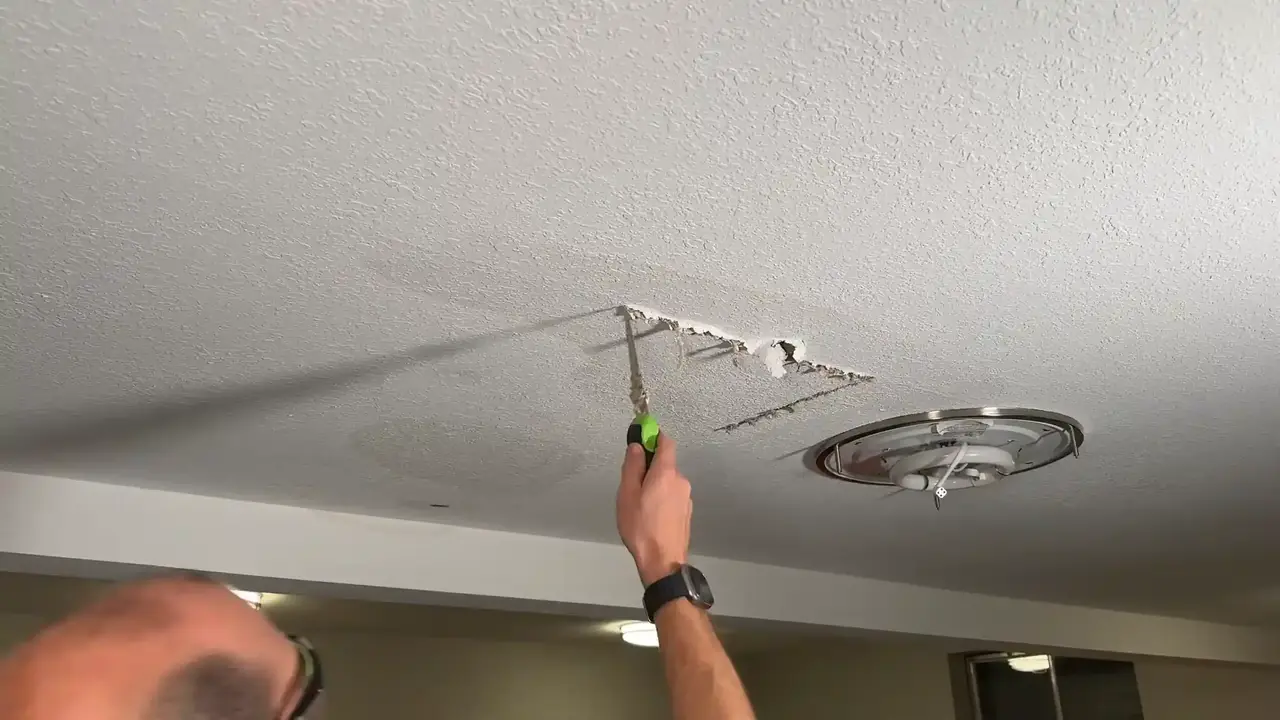
Ceiling water stains in Smyrna homes are rarely where the leak is. Water entering the floor structure from a bathroom fixture, a supply line, or a roof penetration above travels along floor joists, follows the path of least resistance through insulation and sheathing, and exits at the first low point it reaches. In Smyrna's basement-common housing stock, that means a ceiling stain in the basement or on a first-floor ceiling is often displaced several feet horizontally from the actual leak source above. Opening the ceiling directly under the stain and finding nothing is a common and frustrating outcome of guesswork diagnosis.
Smyrna's 52-inch annual rainfall and humid subtropical climate compound the ceiling leak problem in two ways. First, the high precipitation rate means that roof and exterior envelope leaks are more frequent and more consequential here than in drier climates. Second, the year-round humidity means that moisture entering a ceiling assembly has less opportunity to dry out between rain events or fixture use cycles. A slow ceiling leak in Smyrna accumulates moisture faster than the same leak rate would in Colorado or California.
Ceiling Leak Sources We Diagnose
- Plumbing above: The most common source in Smyrna's multi-story and basement homes. Toilet wax ring failures, bathtub drain flange leaks, shower pan membrane failures, supply line drips, and drain stack joint failures all send water into the floor structure above a ceiling. The dedicated pages for each fixture type cover their specific detection protocols.
- Roof and exterior envelope: Roof penetration flashing failures, valley leaks, and damaged shingles allow rain to enter the roof assembly. In Smyrna's spring thunderstorm season, a single flashing failure can produce significant ceiling damage during a heavy rain event. Roof leak stains typically appear or worsen during rain and have a less regular relationship to household water use than plumbing leak stains.
- HVAC condensate: Air handler units installed in attic spaces or second-floor closets produce condensate drain water. A failed condensate drain pan or blocked condensate line allows water to overflow into the ceiling assembly below the air handler. This is a common source of ceiling stains in Smyrna's summer months when cooling loads are high and condensate production is at its peak.
- Ice dam events: Smyrna experiences occasional winter ice events, including the significant 2014 Snowmageddon storm. Ice dams at roof eaves can force water under shingles and into the ceiling assembly during freeze-thaw cycles. This is less common in Smyrna than in northern climates but does occur and can produce significant ceiling damage.
Ceiling stain in your Smyrna home? Call before the moisture spreads further into the structure.
Call (770) 214-4545Thermal Imaging for Ceiling Leak Source Location
Thermal imaging is the most efficient tool for locating ceiling leak sources without destructive opening. We scan the ceiling and the floor surfaces above it with a thermal camera while the relevant plumbing systems are in use. A wet area in the floor assembly above the ceiling shows a temperature anomaly that persists for hours after a fixture is used. The shape of the anomaly on the thermal image maps the moisture extent and often points clearly toward the source direction, well above and away from the visible stain on the ceiling surface.
After identifying the moisture zone with thermal imaging, we determine access strategy. In Smyrna basement homes, ceiling access from the basement for a plumbing repair above is usually straightforward, involving a small targeted opening. For roof or HVAC sources, the access is from above: attic inspection, roof surface inspection, or air handler compartment access.
Distinguishing Plumbing from Roof Leaks
The pattern of when the ceiling stain appears and grows is the first diagnostic step we discuss on the phone before arriving. A stain that appears or worsens after heavy rain and is stable in dry weather points to a roof or exterior envelope source. A stain that grows after morning bathroom use and is stable when the house is unoccupied points to a plumbing source above. A stain that appears specifically during hot weather and corresponds to air conditioning operation points to an HVAC condensate source. We ask these questions explicitly during the initial call to arrive with the right tools and access plan for the most likely source.
Frequently Asked Questions
Related problems often surface during the same visit. We handle thermal imaging to locate the source before opening drywall, including bathroom supply and drain leaks above ceilings. Our service area includes Highland Park homes with original plumbing.
The timing tells you. A stain that appears or grows during or after rain events and is stable during dry weather is almost certainly a roof or exterior leak. A stain that grows after household water use, especially after morning bathroom activity, and does not change with weather is almost certainly a plumbing source. A stain that appears in summer and correlates with air conditioning use is likely HVAC condensate. Call (770) 214-4545 and describe the pattern.
Not until the source is found and repaired. Paint over an active leak stain will blister and peel within weeks. Even if the leak is intermittent, painting over a stain without confirming the source is repaired is temporary cosmetic work that masks the problem. Fix the source, confirm the ceiling assembly has dried adequately, prime with a stain-blocking primer, and then repaint.
In Smyrna's humid subtropical climate, ceiling assembly drying is slower than in drier markets. A saturated ceiling joist bay that is not actively ventilated can take two to four weeks to reach equilibrium moisture content after a leak is stopped. We recommend a moisture meter reading before drywall repair to confirm the structure has dried sufficiently.
Most standard Georgia homeowners policies cover sudden and accidental water damage, such as a burst pipe or an appliance failure, but not gradual leak damage that developed over time. Roof leak damage is typically covered if the roof damage was caused by a covered peril such as a storm, but not if it resulted from deferred maintenance. The key distinction is whether the damage was sudden or gradual. We provide detailed written reports documenting leak source, extent, and probable duration that can support insurance claim submissions.
Questions about a leak in your Smyrna home? Call anytime.
Call (770) 214-4545