
Plumbing Leak Detection & Repair
Every leak in a Smyrna home starts in the plumbing. We cover the full system from main supply to drain stack, with non-invasive detection before any wall is opened.
Call (770) 214-4545 | 24/7Licensed in Georgia | Cobb County | (770) 214-4545
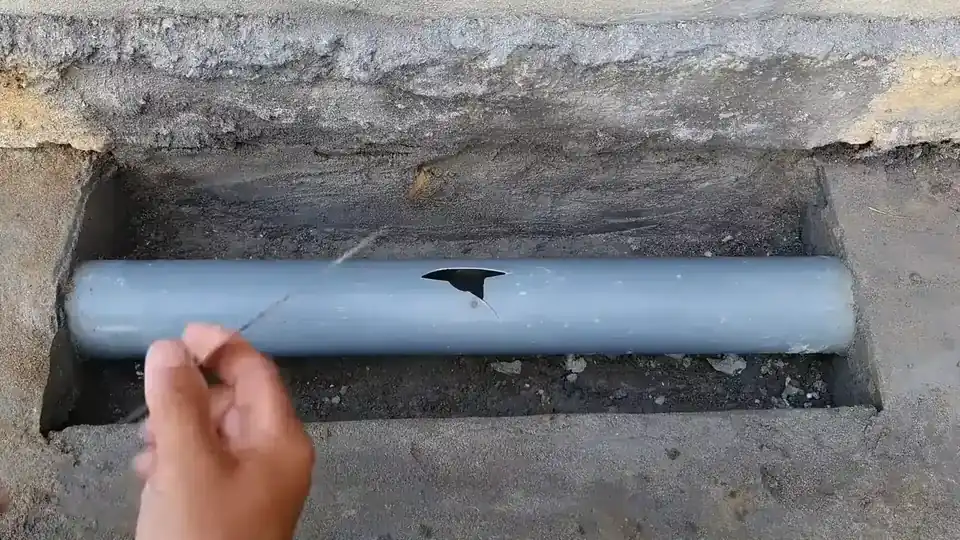
Plumbing leak detection in Smyrna covers a broader range than any single specialized page can address. This page focuses on the general diagnostic process for leaks that have not yet been identified as belonging to a specific system or location, and on how we triage a leak call to get to the right specialized service quickly. Most of the time, homeowners know something is wrong before they know which part of the plumbing is responsible. A water meter that keeps spinning with everything off, a mysterious increase in the monthly water bill from the City of Smyrna Water and Sewer Division, or a damp smell in the basement that has no obvious source all point to a leak somewhere in the system without pointing to exactly where.
Smyrna's plumbing systems span four distinct housing-era cohorts with different materials and failure modes. Pre-1960 homes in Downtown Smyrna and Belmont Hills have galvanized steel supply lines and cast-iron drains that are at or past their expected service life. Homes from the 1960s through the 1990s in Walker Park, Highland Park, and Argyle have copper supply that is now in or entering its pinhole-failure window given Smyrna's soft surface water chemistry. The 1990s-to-2000s stock in Wynfield and Brookhaven Smyrna introduced CPVC and early PEX, and 2000s-plus construction uses PEX supply and PVC drain. Each material set fails in characteristic ways. Knowing which era and material you have narrows the investigation before the first tool is deployed.
The Triage Process for Unlocated Leaks
When a homeowner calls with "I think I have a leak somewhere," we work through a structured diagnostic before opening any walls or floors:
- Meter verification: The water meter test confirms whether water is actively leaving the supply system. We walk you through the test over the phone or perform it on-site. A spinning meter dial with every fixture off confirms an active supply leak somewhere between the meter and your fixtures.
- Supply isolation: We isolate the hot and cold supply branches using shutoff valves, then perform pressure decay testing on each branch in turn. The branch that loses pressure contains the leak. This narrows the search from "somewhere in the house" to "in this specific branch run."
- Thermal and acoustic scan: Once the branch is identified, thermal imaging and acoustic listening equipment locates the leak to the wall or floor section and specific pipe segment before any surface is opened.
- Drain investigation: If the supply system tests clean but the symptoms persist, we move to the drain system. A slow drain leak is harder to detect with pressure testing but visible with a combination of drain dye testing and camera inspection.
Not sure where the leak is? Call and we'll work through it with you.
Call (770) 214-4545Common Plumbing Leak Types in Smyrna Homes
Across the Cobb County service area, the most frequent leak types we find on general plumbing calls are:
- Pinhole failures in 1960s-to-1990s copper supply lines from age and soft-water chemistry. The dedicated pinhole leak page covers this in depth.
- Failed compression or push-fit fittings at fixture supply connections, most often under sinks and behind toilets.
- Drain stack and trap leaks at threaded or glued connections, common in older cast-iron and early PVC drain systems.
- Main supply line leaks between the meter and the house, which show up as yard wet spots or a meter that spins even with the house shutoff closed. The water line leak page covers that specific scenario.
- Slab leaks in mid-century homes where copper runs beneath the concrete floor. See the slab leak page for the full detection process.
Galvanized Pipe in Older Smyrna Homes
Pre-1960 homes in Downtown Smyrna and Belmont Hills often retain original galvanized steel supply lines. Galvanized pipe corrodes from the inside out, producing both leaks at threaded joints and progressive reduction in pipe bore diameter from internal rust buildup. A home with galvanized supply that is experiencing low water pressure throughout the house often has both a leak problem and a flow restriction problem from the same root cause. The appropriate repair is usually a full supply repipe rather than sectional patching of the deteriorated galvanized runs. Combined with cast-iron drain inspection and sewer camera work in those neighborhoods, a galvanized repipe call often covers several interconnected systems.
Georgia Plumbing Code and Licensing
All plumbing repair and replacement work we perform in Smyrna and Cobb County is covered by a Georgia state plumbing license. The Georgia State Construction Industry Licensing Board requires Journeyman or Master Plumber credentials for plumbing work. We carry the required licensing and permit plumbing work with the City of Smyrna or Cobb County as required by the scope of the repair.
Frequently Asked Questions
The water meter test is the fastest self-check. Turn off every fixture and water-using appliance in the house, then go to the meter at the street. If the small indicator dial or the digital flow display shows movement with everything off, you have an active supply leak. If the meter is still but you're seeing moisture symptoms, you may have a drain or waste system issue instead. Call (770) 214-4545 and describe what you're seeing.
A slow supply leak can cause structural damage faster than most homeowners expect. In Georgia's humid subtropical climate, a wet wall cavity or basement floor can develop mold within 24 to 72 hours of sustained moisture. Small leaks also tend to worsen under normal water pressure cycling. If the meter test confirms an active leak, same-day service is the right call.
That depends on the construction era. Pre-1960 homes typically have galvanized steel supply and cast-iron drains. 1960s to 1990s construction uses copper supply. 1990s to early 2000s may have CPVC or early PEX mixed with copper. 2000s-plus construction is typically PEX supply and PVC drains. If you don't know, we identify the materials during the first inspection visit.
Yes. We work in finished basement spaces regularly across Cobb County. Our non-invasive detection process uses thermal imaging and acoustic equipment to locate the leak source through finished drywall and flooring, which allows us to open a single targeted access point rather than stripping an entire wall. Call (770) 214-4545 and describe the space so we can give you an accurate scope and time estimate.
Questions about a leak in your Smyrna home? Call anytime.
Call (770) 214-4545