
Drain Leak Detection & Repair
Drain leaks in Smyrna are harder to find than supply leaks because they only flow during use. Camera inspection and drain dye tracing find them without guesswork.
Call (770) 214-4545 | 24/7Licensed in Georgia | Cobb County | (770) 214-4545
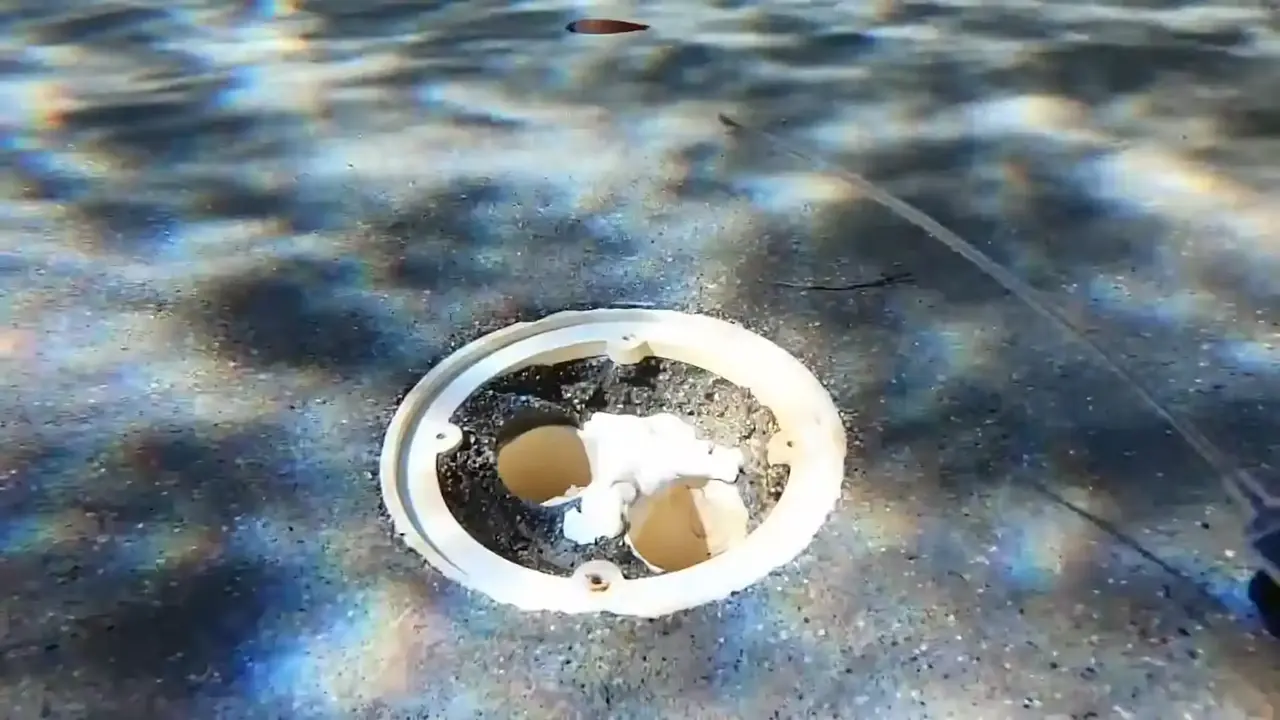
Drain leak detection in Smyrna requires a different set of tools than supply leak detection. Supply lines are under continuous pressure, which means acoustic equipment and pressure decay testing can locate failures quickly. Drain lines are gravity-flow systems that only carry water when a fixture is in use, which means pressure testing is not applicable and acoustic detection is limited to active drain events. The primary tools for drain leak investigation are visual inspection at all accessible joints, drain dye testing to trace flow paths, and camera inspection for sections of drain stack that are not visually accessible.
Smyrna's housing stock adds complexity to drain leak detection in two specific ways. First, the prevalence of basements means that drain stacks pass through finished ceiling spaces rather than open crawlspaces in many homes, making direct visual inspection of mid-stack joints difficult without opening the ceiling. Second, the older pre-1980 neighborhoods in Belmont Hills, Downtown Smyrna, and Walker Park have cast-iron drain systems where internal corrosion from hydrogen sulfide gas produces structural failures that are invisible from outside the pipe until through-wall failure occurs. Camera inspection is the only reliable way to assess the condition of these older cast-iron runs.
Drain Leak Types We Diagnose
- P-trap joint leaks: Slip-joint connections in the P-trap assembly under sinks harden and crack over time. These drip into the cabinet below during drain events and are typically straightforward to repair once identified.
- Drain stack joint leaks: Older homes in Smyrna with cast-iron drain stacks have lead-caulked or rubber-gasketed hub connections between pipe sections. These joints can crack or the rubber gasket can deteriorate, allowing slow weeping at the joint that runs down the outside of the pipe and appears at a lower point. Camera inspection and an exterior visual scan of accessible pipe surfaces diagnose these.
- Drain cleanout failures: Cleanout caps and cleanout plugs that have not been removed in decades can crack or strip, allowing sewer gas and small amounts of water to escape. In Smyrna basement homes, a failed cleanout in the basement utility area is a common odor and minor leak source.
- Shower and tub drain connections: The drain flange connection between the shower floor drain and the drain pipe below is a common leak source, particularly in Smyrna's basement bathrooms where the drain runs through the concrete slab. A failed shower drain gasket or loose drain body allows water to escape around the drain connection into the concrete slab. This is related to but distinct from shower pan failures, which are covered on the shower pan leak detection page.
- Sewer lateral leaks: The underground sewer lateral from the house to the street main is the most significant drain system failure, with potential for yard contamination, pest attraction, and structural damage. Camera inspection from a basement cleanout or pulled cleanout access identifies lateral condition. See the sewer line leak page for the full lateral diagnosis process.
Smelly basement, ceiling stain below a bathroom, or slow drains throughout the house? Call for drain diagnosis.
Call (770) 214-4545Drain Camera Inspection in Smyrna Homes
A waterproof camera on a flexible cable, inserted into the drain stack at a cleanout or through a pulled fixture, shows us the full interior of the drain run: pipe material condition, joint alignment, root intrusion, internal corrosion, and any collapse or offset in the pipe. The locator head on the camera tells us the depth and ground position of any findings, so we know where to open the ceiling or floor for repair without guesswork.
In Smyrna's older neighborhoods, a drain camera inspection on a 1960s or 1970s cast-iron stack often reveals internal crown corrosion well before through-wall failure occurs. Acting on camera findings proactively avoids the more disruptive scenario of a drain stack failure into a finished basement ceiling.
Drain Leak Repair
P-trap and under-sink drain repairs are completed the same day in most cases. Drain stack joint repairs in finished ceiling spaces require ceiling access and patching. Cast-iron joint repairs use rubber-gasketed no-hub couplings to replace deteriorated lead-caulked joints without full pipe replacement in most cases. Significant cast-iron corrosion across a long run is typically addressed by relining the pipe section with a cured-in-place liner or replacing the run, depending on the extent of the damage found on camera.
Frequently Asked Questions
Related work often surfaces during the same visit. We also handle camera inspection of the sewer lateral from cleanout to main and serve Reed Mill homes where cast-iron drain stacks are now 50-plus years old as part of our Cobb County coverage.
A slow drain suggests a partial blockage, not a leak. A drain leak produces moisture outside the pipe: wet cabinet bases under sinks, staining on the ceiling below a bathroom, sewage odor in the basement, or wet soil in the yard above the sewer lateral. If you are seeing any of these in addition to slow drains, you likely have both a blockage contributing to the problem and a joint failure that needs camera inspection.
Yes. A slow drain joint leak in a wall or floor cavity in Georgia's humid climate creates sustained moisture in wood framing, which leads to rot and eventual structural softening. In Smyrna's basement homes, a drain stack joint leak can saturate basement ceiling joists for months before it produces a visible ceiling stain. By that point, the joist faces are usually soft. Finding and stopping the leak is the first step; structural assessment follows.
White efflorescence or salt deposits on the outside of drain pipe connections or on the basement walls near a drain line indicates slow moisture migration through or around the pipe joint. It is a sign of a minor drain leak that has been running long enough for dissolved minerals to deposit as the water evaporates. The joint should be investigated and resealed before the moisture accumulation worsens.
Indirectly. Georgia's 52-inch annual rainfall combined with Smyrna's soil saturation conditions means that hydrostatic pressure on the sewer lateral increases during heavy rain events. A cracked or offset lateral that drains adequately under normal conditions can back up during heavy storms when the municipal sewer main is under elevated flow. If your Smyrna home has drain backup issues specifically during rain events, the lateral condition is worth investigating with camera inspection.
Questions about a leak in your Smyrna home? Call anytime.
Call (770) 214-4545